



How to Evaluate Classic Body Parts for Fit and Quality
Posted on: April 19, 2026 in Guides
With spring weather warming up, car projects return to the driveway. The covers are lifted, checklists made, and for many classic car owners, bodywork takes center stage. If you’re considering body parts for sale and deciding which ones to trust, knowing what makes a good part is key. Fit and quality can make or break the end result. Panels either fit smoothly or turn into hours of rework and adjustments. When you buy new sheet metal like hoods, fenders, or quarter panels that are well made, you save future frustration.
Look for Exact Factory Fit
One of the biggest issues is poor fit straight from the factory. Panels that are even slightly off from original dimensions cause mismatched door gaps, uneven trim, and problematic paintwork.
Factory fit means a panel is made to the same measurements as the original. This matters not only for major pieces like doors or rear quarters but also for smaller areas such as the seam under the hood or over taillight housings. When the part is shaped and sized like the original, installation is faster and the build aligns with fewer headaches.
A sloppy fit often forces the use of shims or extra holes. While that might seem like a quick fix, it usually creates further issues. Shims can add unwanted height in some areas, throwing off overall alignment. It’s always better to start with a part that matches factory specs.
Pay Attention to Metal Thickness and Stamping Quality
Once a panel appears to fit well, its thickness becomes the next factor. The steel used in restoration body parts varies in gauge. Lighter metal may reduce cost but tends to flex more, while thicker panels handle vibrations and everyday use better.
Thin materials can warp or develop an “oil can” effect, where curves lose strength. Equally important is stamping quality. Good stamp lines create the body’s shape with clean edges around curves, contour lines, and trim pockets. Soft or uneven lines suggest that the press wasn’t perfectly calibrated, which may lead to extra work fixing curves with filler. This quality is evident in high-quality stamped panels like Dynacorn quarter panels for certain Chevrolet models.
Compare Mounting Points and Bracket Placement
Even a robust panel can fail if its mounting points or bracket placements do not match the car. This is especially critical near front core supports, firewall corners, or rocker panel joints where space is tight.
Panels should show factory-accurate mounting points. Holes should align as expected, and tabs should be welded in place for support brackets. When these features are off, your work shifts from a simple fit to extensive fabrication, upsetting alignment in other parts of the car.
A minor tweak using a punch or file might work, but significant errors in bracket or bolt hole placement clearly indicate a panel that wasn’t measured to spec, leading to more stress during installation.
Watch for Clean Edges and Weld Prep
Surface finish matters more than it appears. Most panels are sanded and sprayed before hitting the road, but the condition when you open the box reveals much about its production quality.
Clean, smooth edges suggest that the stamping dies were sharp and accurate. Rolled edges around wheel wells, hood lips, and door flanges should feel solid rather than jagged. Poor edges aren’t merely a cosmetic concern; they can become weak spots if left untreated or quickly filled.
Also, check if the steel has been EDP coated. This finish helps prevent surface rust while the car is mid-build. Glancing at the back for weld seams or folded joints can reveal the care taken in manufacturing.
How to Choose Reliable Parts for Your Build
When shopping for body parts for sale, the source matters. Some panels are built quickly to hit low price points, while others are made with consistency and care. Over several installs, reliable parts show consistent fit, accurate holes, proper thickness, and a better finish, while inconsistent parts might work one time but fail the next.
Sometimes it isn’t possible to test fit a panel immediately. In those cases, knowing what to look for before ordering is your best tool. Always measure your car’s make, model, and build year, and compare these details against known part specifications and reviews from experienced builders.
Build Smarter with Panels That Fit Right
Getting the fit right from the start saves effort and streamlines the entire build. When fenders attach cleanly, doors shut evenly, and trim aligns perfectly, the whole process moves more smoothly. A well-fitting panel needs less body filler and adjustment, leading to faster final assembly and fewer issues on the road.
Choosing sheet metal that matches factory specifications builds a stronger foundation and reduces later corrections. Reliable parts from trusted sources help keep the build process efficient and consistent. With panels that fit naturally, you can focus more on fine details rather than constant fixes.
Getting the perfect fit, finish, and factory match starts with choosing replacement sheet metal designed to align correctly. Whether you’re replacing a hood, fender, or rear quarter panel, understanding what separates a solid part from one that causes headaches can save both time and stress during assembly. We work hard to maintain quality on high-end panels, including thousands of Dynacorn and OER parts that cover everything from full body shells and quarter panels to smaller stamped pieces and trim. Explore our full inventory of body parts for sale to find the right fit for your project, and contact Classic Body Parts directly if you have questions or need guidance.
Related Articles
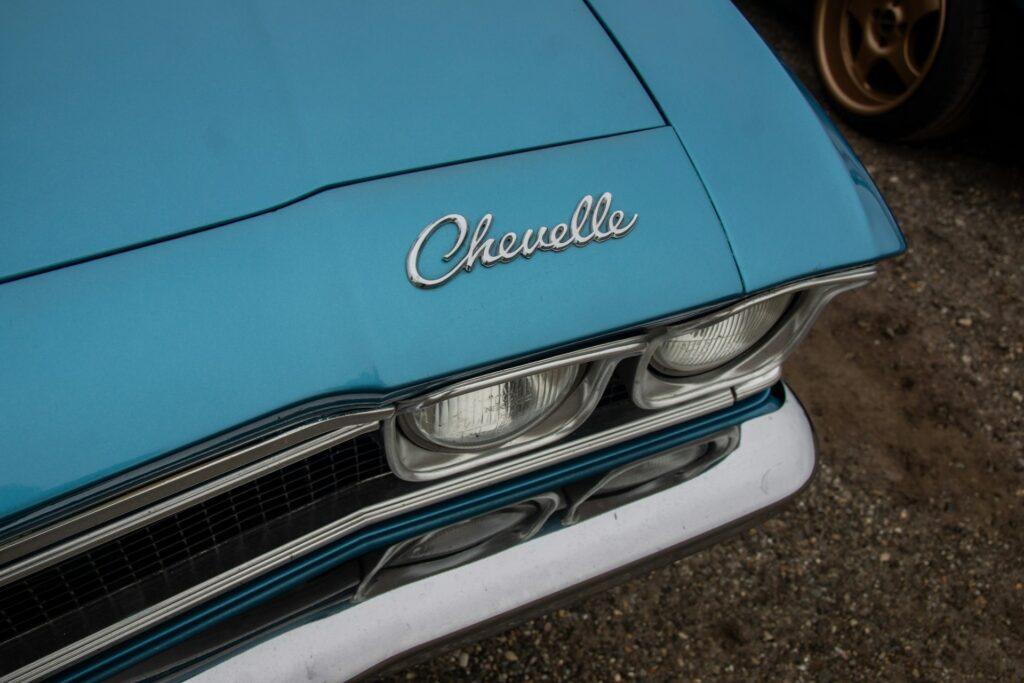
Steps to Install Replacement Fenders on a Classic Chevelle
Installing new fenders on a classic Chevelle is more than just swapping metal. The way the panels align with the […]

Understanding the Difference Between Dynacorn and OER Panels
When it’s time to replace damaged or worn body panels during a restoration, one of the first decisions you’ll face […]

Top Methods for Installing Mustang Sheet Metal Panels Safely
Spring is when most garage projects start picking up again. The weather is mild, there’s more light in the day, […]