


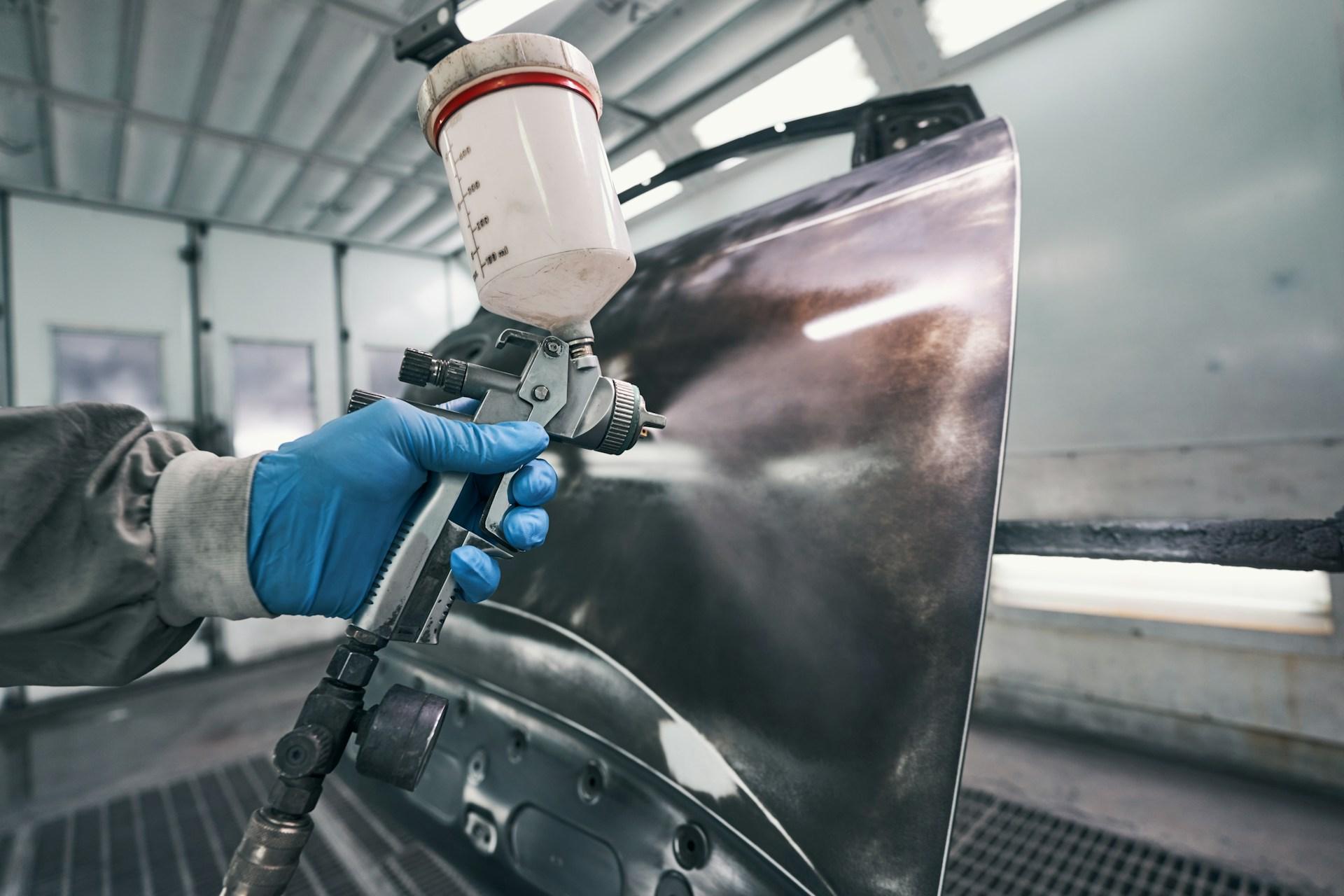
Understanding the Difference Between Dynacorn and OER Panels
Posted on: April 5, 2026 in Tech Tips
When it’s time to replace damaged or worn body panels during a restoration, one of the first decisions you’ll face is which brand to go with. Not all sheet metal is built the same, and the differences start to matter fast once you’re aligning doors, trimming quarter panels, or prepping for paint. Dynacorn and OER are two names that come up often in these conversations, and for good reason.
Dynacorn is best known for its close-to-original stampings and clean fitment, while OER restoration parts have become popular for people who are looking for reliable replacements that don’t require exact factory accuracy. Spring is the time many restorers start lining up new panels, so knowing where each of these options fits can help keep your project moving smoothly as the garage warms up and days get longer.
What Makes Dynacorn a High-End Choice
Dynacorn panels have a solid track record when it comes to factory-style stamping, solid gauge metal, and strong weld-ready seams. They’re designed to match original curves, bends, and contours without forcing parts into place. This makes a big difference in spots where visual symmetry matters, like hood gaps or the flow between front and rear quarter lines.
We usually reach for Dynacorn panels when we’re trying to match the original car body lines with little or no modification. Shops that do body work day in and day out often prefer them because:
- The panels tend to install square with little reshaping
- Consistent quality means fewer surprises when test fitting
- The metal is sturdy and holds shape during sanding, welding, or transport
When the whole restoration depends on fit and flow, starting with panels that land close to factory specs cuts down time fixing mismatches. Getting that right from the start clears the way for better sanding, sealing, and layering once paint season hits.
Understanding OER Panels and When They Make Sense
OER restoration parts have carved out a space in projects where light-to-medium replacements are needed. That might be on daily drivers or cars that don’t need 100% original form. Unlike Dynacorn, OER tends toward affordability and wide availability, which can help restorers working on a tight timeline or budget. OER products are engineered to replicate OEM appearance, quality, and fit, and many are officially licensed by General Motors to meet or exceed original factory specifications.
They’re commonly used for things like:
- Rear filler panels, inner wheelhouses, or non-show-side surfaces
- Quick patch jobs that need metal but not perfect form
- Projects where a bit of hammer work or minor fitting is expected
If you’re mid-way through a build with multiple panel types, mixing in OER for less visible areas can stretch your parts budget while keeping the outer body clean. Just keep in mind that some OER stampings may require trimming or welding tweaks during install. Looking closely at edges, bends, and hardware holes before fitting can save headaches later on.
Key Differences That Matter When Choosing Panels
It’s easy to think all sheet metal parts are the same when they arrive in shipping boxes, but putting them side by side shows where things count. We’ve learned over time that certain details start to separate Dynacorn and OER once you begin alignment work.
Here are the biggest differences to pay attention to:
- Dynacorn panels usually have heavier gauge steel and sharper corners around stamped edges
- Mounting tabs on Dynacorn parts tend to match factory geometry more closely compared to OER
- OER panels might have softer bends or require a bit of nudging to sit right in factory mounts
On external areas like doors, hoods, or fenders, these small gaps or angles can throw off the entire flow of the car. If the door seam isn’t even or the hood won’t follow the cowl, the look never feels done. But in shielded areas like trunk supports or backseat bracing, OER can hold up fine with a strong weld and a clean topcoat.
Matching Restoration Parts to Your Build Goals
Choosing between Dynacorn and OER shouldn’t come down to what’s available fast or what fits your budget closest on paper. Instead, we try to line up those choices with what the car is being restored into. If it’s a frame-off project meant for car shows, fit accuracy comes first. If it’s a fun build for weekend driving, some compromise works.
Here’s how we tend to match panel types with restoration plans:
- For high-value or rare collector cars, Dynacorn across the board makes sense
- Mixed-use or budget builds can use Dynacorn up front and OER in less visible areas
- Daily drivers or incomplete restorations might lean slightly toward OER if fit isn’t the top priority
Every car’s path is different. There’s nothing wrong with mixing panel sources where it makes sense. We just like to keep critical body sections consistent so gaps stay even and paint doesn’t draw attention to uneven contours.
Why Spring is a Smart Time to Sort Out Your Panels
April brings just the right balance of dry air and daylight for planning, test-fitting, and lightly sanding new sheet metal parts. If you’ve been waiting for the right moment to replace those long-postponed quarter panels or start door shell fitting, now’s a good time. Spring gives you the breathing room to work without sweating through heatwaves or rushing against fall deadlines.
Here’s why early spring panel planning works better:
- Temperatures are mild enough for adhesive setting and metal expansion checks
- The days are long enough to do daytime check fits without adding extra lighting
- Locking in your panel choices now avoids delays once paint and trim work begins
These first few weekends of decent weather are when most people start dusting off winter projects and checking alignment on fresh body parts. By getting ahead now, hard install dates, sanding prep, and paint stages can flow without bumping into each other.
Getting the Right Fit from the Start Pays Off
Shifts in panel quality may not seem big until your first test fit. That’s when a quarter inch out of square turns into a lopsided trunk or a frustrating door drop. Knowing when to use Dynacorn and when OER restoration parts make sense will save time and frustration as the build moves into more detailed work. Alongside sheet metal, Classic Body Parts also carries OER GM-licensed components such as tail lamp lenses and exterior emblems that reproduce original markings and details, helping keep trim and lighting consistent with the rest of your restoration.
Not every panel needs to be top-tier. But the ones that show, the ones you align every single time you open the door or lift the hood, usually do. Starting off with panels that match your goal makes the rest of the job easier. Less filler, fewer realignments, and a better-looking car at the end. That’s the kind of planning that carries through straight to the final details.
Getting a head start on panel planning is easier than ever with Classic Body Parts. Many of our customers find that mixing Dynacorn and OER restoration parts helps them achieve their restoration goals, no matter the project or budget. We stock trusted manufacturers so your bodywork begins with strong, dependable metal. Give us a call to discuss the best options for your upcoming upgrade.
Related Articles
How to Evaluate Classic Body Parts for Fit and Quality
With spring weather warming up, car projects return to the driveway. The covers are lifted, checklists made, and for many […]
Steps to Install Replacement Fenders on a Classic Chevelle
Installing new fenders on a classic Chevelle is more than just swapping metal. The way the panels align with the […]
Top Methods for Installing Mustang Sheet Metal Panels Safely
Spring is when most garage projects start picking up again. The weather is mild, there’s more light in the day, […]