


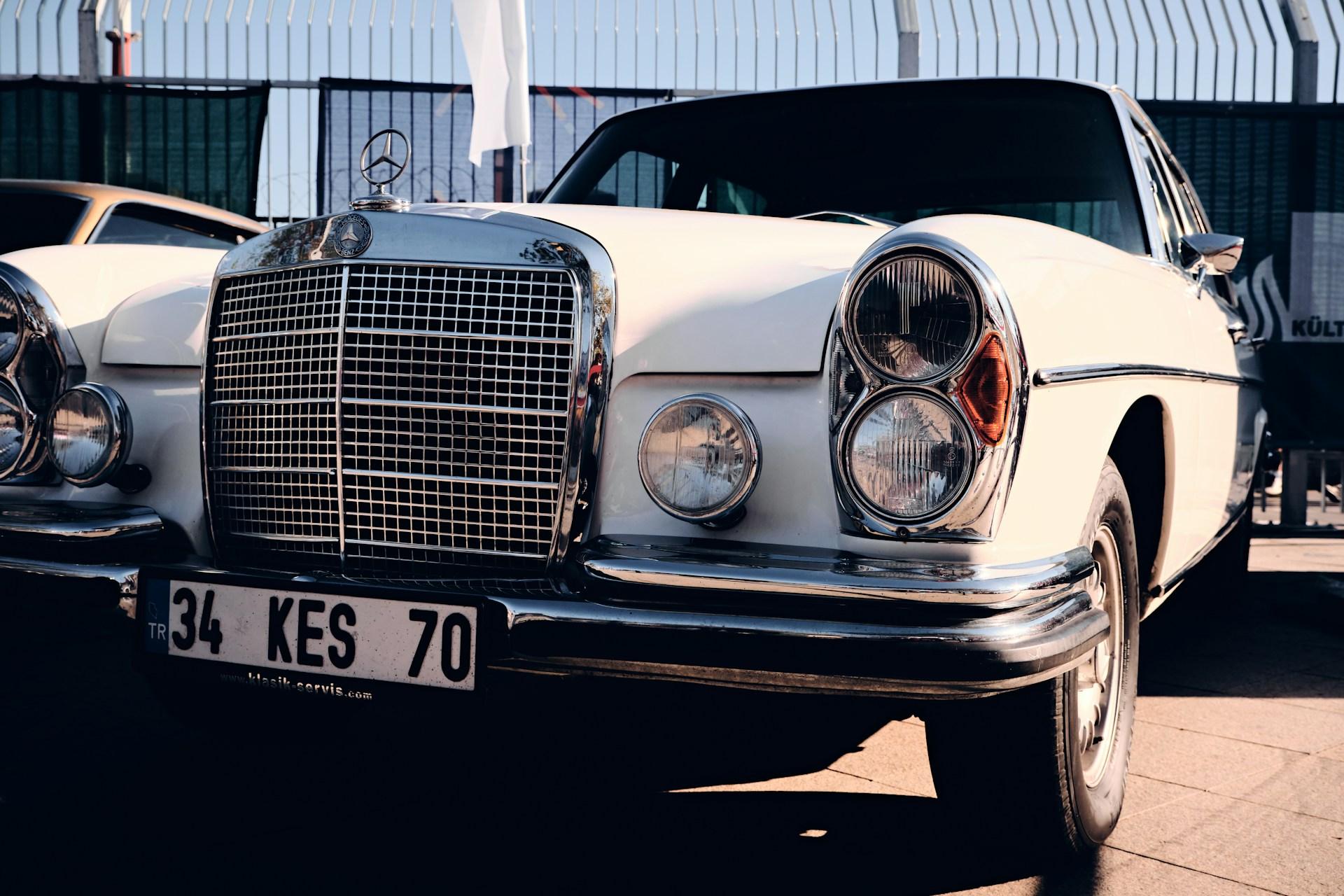
Identifying and Replacing Faulty Hardware in Classic Cars
Posted on: June 8, 2025 in Tech Tips
Classic car enthusiasts know that preserving the charm and value of these timeless vehicles involves more than just a love for vintage aesthetics. At the heart of maintaining these classics is the task of identifying and replacing faulty hardware. This crucial step not only helps keep the car’s original beauty intact but also ensures its safe and smooth operation for years to come.
Faulty hardware, such as rusted screws and worn-out bolts, can lead to bigger issues if left unchecked. These small yet significant components play a vital role in holding everything together, from the hood to the quarter panels. Recognizing and replacing them promptly is like giving your classic car the care it rightfully deserves, allowing you to enjoy the ride without any hiccups.
Recognizing Faulty Hardware in Classic Cars
Being able to pinpoint issues with hardware parts is key to avoiding costly repairs and keeping your car on the road. Here are some common signs that indicate hardware might need replacement:
– Rust and Corrosion: Visible rust or corrosion around screws, nuts, or bolts is a telltale sign of deterioration.
– Looseness and Instability: If you notice parts of your car feel loose or unstable, it might be due to failing hardware.
– Unusual Noises: Sounds like rattling or clinking often point to hardware that’s no longer secure.
– Difficulty in Operation: Stiff or difficult-to-operate doors or hoods could indicate hardware issues.
These problems, if ignored, can significantly impact the performance and safety of the car. For instance, loose fenders or hoods not only affect the car’s visual appeal but also jeopardize the structural integrity during a drive. By staying vigilant and addressing these signs early on, you can preserve the look and feel of your classic vehicle while ensuring it runs smoothly.
Types of Hardware Commonly Replaced in Classic Cars
Maintaining a classic car involves paying attention to various types of hardware that commonly wear out over time. Here are some of the parts you’ll likely encounter:
1. Screws and Bolts: These fundamental pieces hold everything together, and over time, they can rust or wear out.
2. Brackets: These usually support larger components like the fenders or panels. Damaged brackets can lead to misalignment issues.
3. Fasteners: Worn fasteners can cause body panels to become insecure, affecting the overall structure.
4. Hinges: Essential for doors and hoods, hinges can become squeaky or difficult to move if not maintained.
Focusing on the body parts, such as hoods, fenders, and quarter panels, is crucial, as they safeguard the car’s engine and interior from external elements. Keeping the hardware in top shape ensures that these panels fit correctly and maintain their protective role. Replacing worn-out hardware with quality parts from trusted manufacturers keeps your car not just aesthetically pleasing but also functional and safe.
By understanding and addressing faulty hardware, you can safeguard your investment and continue to cherish your classic car for years to come.
Tools and Techniques for Replacing Classic Car Hardware
To effectively replace faulty hardware in your classic car, having the right tools can make all the difference. Here’s what you’ll need to get started:
1. Screwdriver Set: Various sizes to fit different screws and bolts.
2. Wrench Set: Essential for loosening and tightening bolts, with different sizes and types required.
3. Pliers: Useful for gripping and twisting wires or removing small parts.
4. Torque Wrench: Ensures bolts are tightened to the correct tension, preventing over or under-tightening.
5. Rust Remover: Helps in cleaning out rusted parts before installing new hardware.
Once equipped, approach the process methodically:
– Assess the Parts: Carefully examine each piece of hardware for rust, wear, or damage.
– Prepare the Area: Clean the surrounding area and remove any obstructions.
– Replace the Hardware: Remove the faulty part and carefully replace it with new, quality hardware.
– Secure and Test: Tighten all bolts and screws properly, and check to ensure everything is securely fitted.
These tools and steps help you maintain the integrity of your classic car’s body, allowing for smooth restoration work.
Choosing the Right Auto Restoration Parts
When it comes to picking restoration parts for your classic car, quality matters. Parts from reputable manufacturers like Dynacorn are known for their durability and exact specifications, which help maintain the vehicle’s original charm. Here’s how to make informed choices:
– Research Well: Understand the specifications required for your model and look for parts that meet those needs.
– Opt for Quality: Prioritize high-quality parts over cheaper alternatives to ensure longevity and performance.
– Consult Experts: Seek advice from restoration specialists who know the ins and outs of classic cars.
By choosing high-grade parts, you protect your investment and ensure your car remains as close to its original state as possible. Quality components keep your car driving smoothly while preserving its aesthetics and historical value.
Keep Your Classic Car Running Smoothly
Regular checks and replacements of hardware are part of the ongoing care a classic car needs. With the right attention and parts, this piece of history can continue providing joy and excitement on the road. Always remember to act quickly when you notice wear or damage; your classic deserves nothing less!
Trust in quality parts not only enhances the car’s appearance but also its performance. Embrace the satisfaction of knowing your classic car is in prime condition, ready for countless adventures ahead.
Preserve the timeless beauty and functionality of your vehicle with the right care and components. For all your classic car needs, choose quality auto restoration parts from a trusted source. Classic Body Parts offers a premium selection to help you maintain your classic car’s authenticity and enhance its performance. Discover how we can assist in your restoration journey today.
Related Articles
How to Evaluate Classic Body Parts for Fit and Quality
With spring weather warming up, car projects return to the driveway. The covers are lifted, checklists made, and for many […]
Steps to Install Replacement Fenders on a Classic Chevelle
Installing new fenders on a classic Chevelle is more than just swapping metal. The way the panels align with the […]

Understanding the Difference Between Dynacorn and OER Panels
When it’s time to replace damaged or worn body panels during a restoration, one of the first decisions you’ll face […]