


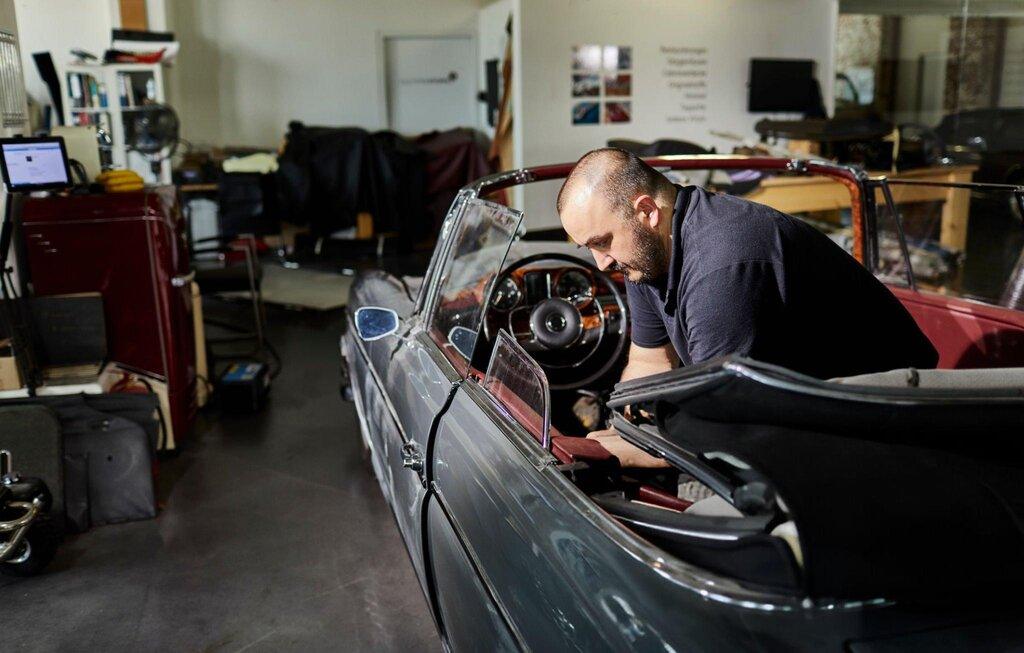
How to Choose High-Quality Fasteners for Classic Car Restoration
Posted on: June 16, 2025 in Tech Tips
Restoring a classic car is much like piecing together a beloved puzzle from the past. Each component plays a key role in bringing the vehicle back to life, and fasteners are no exception. While these small pieces may seem insignificant at first glance, they have a big impact on the car’s long-lasting beauty and structural integrity. Picking the right fasteners can make all the difference between a secure hold and the risk of loose panels or parts over time.
Fasteners are the unsung heroes of car restoration. They ensure the overall tightness and fit of body parts such as hoods and fenders, which keep your classic car looking sharp and performing at its best. As classic car enthusiasts know, sourcing high-quality parts from reliable suppliers is a step that can’t be overlooked. This guide intends to help you understand fasteners, giving you the insight needed to choose quality OER restoration parts with confidence.
The Role of Fasteners in Classic Car Restoration
When we talk about restoring a classic car, fasteners might not be the first thing that comes to mind, but they’re absolutely vital in the process. They hold various parts of the car together, ensuring everything fits perfectly. Their primary functions include:
– Holding body panels: Fasteners are crucial in anchoring body panels like hoods, fenders, and quarter panels. They help maintain the shape and structural strength of these parts, preventing them from shifting or becoming loose.
– Securing interior and exterior components: From holding the dashboard in place to securing the door handles, fasteners play diverse roles in both the interior and exterior of a vehicle.
– Aligning parts precisely: Without the right fasteners, parts may not line up correctly, affecting the car’s appearance and mechanical function.
Opting for the right type of fastener ensures that your car restoration project stands the test of time. A well-chosen fastener provides durability and helps safeguard the aesthetic appeal, avoiding the possible rust or corrosion issues that can arise with lower-quality counterparts.
Types of Fasteners and Their Uses
When choosing fasteners for your classic car, it’s essential to understand the varieties available and their specific uses. Here’s a quick rundown of common types of fasteners and what they’re typically used for:
1. Bolts: These are known for their strength and are commonly used to secure larger components like the engine block or body frame. Bolts require nuts or washers to keep them secure, making them ideal for areas requiring extra stability.
2. Screws: These come in various shapes and sizes and are perfect for attaching smaller components such as interior trims or panels. Self-tapping screws, for example, are often used where the fastener cuts its own thread in the material.
3. Clips: These are handy for areas where parts need to be fastened without screws or bolts, such as attaching moldings or securing wiring harnesses.
Understanding the specific application of each type of fastener helps ensure the structural integrity and visual appeal of the restoration project. When selecting fasteners, consider the material they are made from; stainless steel or zinc-plated varieties tend to offer superior resistance to rust, enhancing the car’s overall longevity.
How to Identify High-Quality Fasteners
Finding the right fasteners for your classic car restoration project is as much about quality as it is about the type. Knowing what to look for can save you headaches down the line. Here are some key features to guide you:
– Material: High-quality fasteners are typically made from stainless steel or other rust-resistant alloys. These materials offer longevity and strength, ensuring the fasteners can withstand the test of time and the elements.
– Corrosion resistance: Since classic cars may face various environmental conditions, including moisture and temperature changes, choosing corrosion-resistant fasteners is essential. Look for zinc-plated options to prevent rust and corrosion.
– Manufacturer credibility: Opt for brands with a solid reputation in the restoration community. Manufacturers like Dynacorn are well-regarded for their superior quality parts. Choosing reputable brands ensures that you’re investing in products tested and trusted by other car enthusiasts.
Assessing these features can help distinguish between genuine quality fasteners and subpar ones. Take the time to research and select products that match the high standards your restoration project deserves.
Top Recommendations for Fastener Brands
Choosing fasteners from trusted brands can greatly impact the success of your restoration. Several brands stand out in the classic car industry for their reliability:
1. OER Restoration Parts: Known for producing high-quality fasteners, especially suitable for those looking to maintain authenticity in their classic vehicles.
2. Dynacorn: This brand offers a wide array of fasteners and is frequently trusted by professionals for its quality and durability.
3. RESTOPARTS: Focused on creating parts that meet or exceed original equipment standards, RESTOPARTS is a go-to for those needing specific fastener solutions.
By selecting fasteners from these reputable brands, you equip your restoration project with parts that are not only durable but also enhance the vehicle’s structural integrity and appearance.
Ensuring Long-term Performance with Proper Installation
Proper installation of fasteners is crucial to ensure they function as intended and last for many years. Here are some tips to get the best out of your fasteners:
– Follow manufacturer’s guidelines: Refer to the installation instructions provided by the fastener manufacturer. Ensure you adhere to recommended torque specifications to avoid overtightening, which can lead to damage or failure.
– Use the right tools: Selecting the correct tools for installation is essential. Make sure to use the proper screwdrivers, wrenches, or torque wrenches as needed, and always check for the compatibility of tools with specific fasteners.
– Regular maintenance: Periodically check fasteners for signs of wear or loosening. Tightening as necessary helps maintain their effectiveness and ensures the vehicle remains in top condition.
Avoiding common installation mistakes, like using mismatched fasteners or applying too much force, can make a significant difference in the vehicle’s performance. Correct installation not only brings peace of mind but also maximizes the longevity and reliability of your classic car’s restoration.
Putting It All Together with the Right Fasteners
Selecting high-quality fasteners is a vital step in your classic car restoration journey. They offer much more than mere functionality; they contribute significantly to the car’s overall look and performance. Besides holding your prized vehicle together, the right fasteners enhance longevity and preserve its value for future collectors.
Incorporating fasteners from reputable brands ensures that your restoration project is built on a reliable foundation. By understanding the types of fasteners and their applications, assessing quality, and following best installation practices, you give your classic car the care it deserves. This knowledge equips you to make informed choices, bringing your vehicle closer to its original glory while enjoying the satisfaction of a well-executed restoration.
Complete your restoration project with confidence by choosing the right fasteners that maintain the beauty and integrity of your classic car. Explore a wide selection of high-quality parts, including OER restoration parts, to ensure your vehicle’s body panels are secure and long-lasting. Start your next restoration phase with Classic Body Parts backing your build every step of the way.
Related Articles
How to Evaluate Classic Body Parts for Fit and Quality
With spring weather warming up, car projects return to the driveway. The covers are lifted, checklists made, and for many […]
Steps to Install Replacement Fenders on a Classic Chevelle
Installing new fenders on a classic Chevelle is more than just swapping metal. The way the panels align with the […]

Understanding the Difference Between Dynacorn and OER Panels
When it’s time to replace damaged or worn body panels during a restoration, one of the first decisions you’ll face […]