


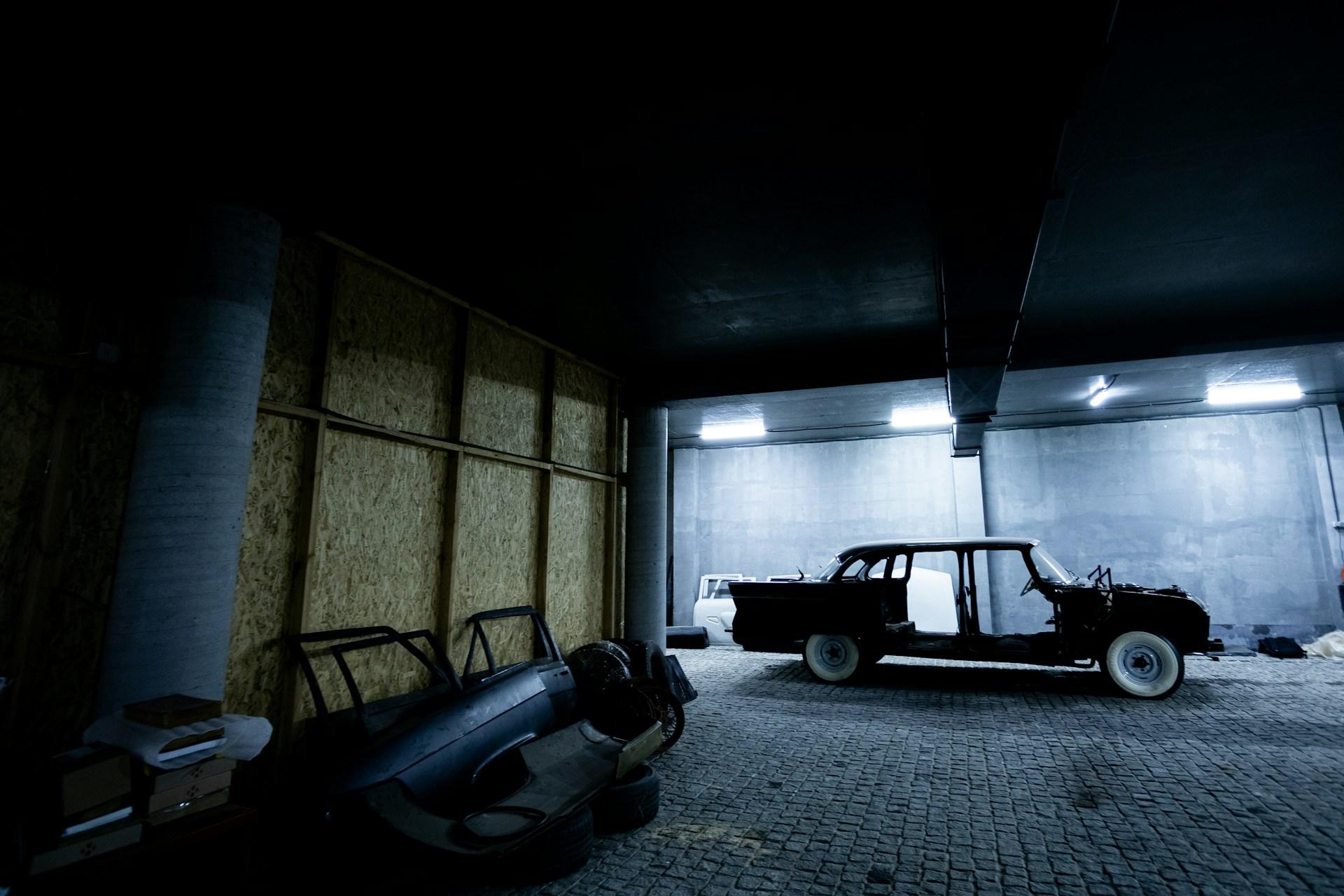
Dynacorn vs. OER Sheet Metal for Classic Restorations
Posted on: March 1, 2026 in Guides
Replacement sheet metal is one of those things you really feel in a build, even if you do not always see it. Good panels line up with minimal fighting, hold their shape, and keep rust at bay for years. Poor panels fight you at every clamp and tack weld, throw off your body lines, and can leave you chasing pinholes and waves through primer and paint. If you want your classic to look right and stay solid, the quality of the metal you start with is just as important as your welding and bodywork skills.
Two of the biggest names in reproduction sheet metal for American muscle and vintage vehicles are Dynacorn and OER. Both have strong reputations; both offer wide coverage, and both are trusted by builders. At Classic Body Parts, we see how these brands perform on real projects, from simple patch jobs to complete body rebuilds. In this article, we will break down how Dynacorn sheet metal compares with OER, where each brand tends to shine, and how to pick the right mix of parts for your next restoration.
Understanding Dynacorn and OER as Restoration Brands
Dynacorn built its name on serious restoration projects. They are widely known for large structural components, full body shells, and high-demand muscle car applications. When someone is basically rebuilding a car from the firewall back, Dynacorn is usually in the conversation. Their catalog focuses heavily on the panels that define the shape and structure of the car, which is why their name comes up so often with major metalwork.
OER, on the other hand, has a long history tied closely to GM and Mopar restoration parts. While they also offer body components, their strength is the breadth of their catalog. It reaches beyond sheet-metal into trim, interior pieces, emblems, and other details that finish off a classic. If you are restoring a Camaro, Firebird, or similar car and care about original-style pieces from bumper to bumper, there is a good chance OER has something for your list.
Both brands pay attention to tooling, original-style stamping, and licensed details where applicable. That matters more than it might seem. Better tooling usually means crisper body lines and panel shapes that match original contours. Attention to original-style features, like correct flange bends or factory-style holes and brackets, can make a big difference when you are trying to hang doors, glass, and trim without constant rework.
Comparing Metal Quality, Fitment, and Construction
When builders talk about Dynacorn sheet metal, one of the common themes is a solid feel. Dynacorn panels are often associated with heavier gauge or at least a confident level of rigidity, especially on structural pieces. While exact thickness can vary by application, the general perception is that their larger panels and shells are built to stand up to real use, not just look good in the booth. Many restorers appreciate that when they are replacing floors, rockers, or other core parts of the structure.
OER panels are also known as a dependable option, especially for more common restoration pieces. Some builders feel that certain OER parts fit especially nicely where original GM or Mopar lines are more complex. In the real world, no reproduction panel is perfectly bolt-on. You should plan for test-fitting, some trimming, and basic bodywork with either brand. The difference is often how quickly you can get a panel to cooperate and how close it lands to the original curves right out of the box.
Construction details matter as well. Spot weld placement, reinforcement plates, and inner bracing all affect both safety and how the car feels. Coatings can play a big role in longevity too. Many reproduction panels come in some form of primer or protective coating to keep rust away in storage and during mock-up. No matter which brand you choose, we always recommend scuffing, inspecting, and prepping the coating so you know the primer and paint on top will bond properly.
Here are a few practical fitment tips with either brand in play:
• Always loosely assemble adjacent panels before final welding
• Use reference measurements from the original body whenever possible
• Check door, hood, and deck lid gaps early, not after everything is welded
• Expect to do some hammer and dolly work even on quality panels
Coverage for Popular Models and Project Types
Dynacorn and OER both cover many of the usual suspects like Camaro, Chevelle, Nova, Mustang, Firebird, and classic trucks. The difference often comes down to the type of project you are planning. If you are tackling a major rebuild where the car needs extensive structural help, Dynacorn sheet metal is often the go-to for big items like quarter panels, roof skins, floors, and full or partial body structures. Having those core shapes from a brand known for large assemblies can simplify the big-picture metalwork.
OER tends to shine once you move into the more detailed part of the restoration. Smaller panels, patch pieces, and OE-style detail parts are where many builders start turning to OER to fill in the gaps. Things like inner supports, small brackets, and trim-related metal can save hours of fabricating tiny pieces from scratch. That is especially valuable when you are trying to keep original-style features intact around windows, moldings, or interior edges.
A smart strategy for a lot of projects is to think by system. For example, you might lean into Dynacorn on the outer shell and core structure around the cabin and trunk area, then rely on OER for the smaller portions that tie that structure into original-style trim, interior, and exterior detail pieces. At Classic Body Parts, we see many successful builds that mix brands in exactly that way.
Cost, Availability, and Buying Strategy
Budget always matters on a restoration, and sheet metal is one of the biggest line items. In general terms, larger panels and structural assemblies from brands like Dynacorn can be a bigger upfront investment, but they often save time in metalwork and reduce the need for fabricating sections from scratch. OER parts, especially smaller components and detail pieces, can be a more targeted spend when you only need to address specific rust spots or missing original pieces.
When you are planning costs, it helps to think in stages, not just in part numbers. Many builders break it down like this:
• Structural and safety-critical panels first
• Outer body skin and panels that set major body lines next
• Detail and finish parts once the main shell is stable
• Interior metal, brackets, and trim-related pieces toward the end
Availability and lead times depend on the specific model and panel. High-demand muscle car pieces are often easier to find in stock, while specialized or less common items might need to be sourced by request. Because we work with both Dynacorn and OER, we focus on stocking popular parts and helping customers plan around lead times on more unusual pieces so the project keeps moving.
Shipping is another part of the equation, especially for large sheet metal. Big panels can be awkward and vulnerable to damage in transit. Good packaging, proper bracing inside the box, and clear inspection once the order arrives all help prevent headaches. When you are dealing with a quarter panel or roof skin, it pays to take a few extra minutes inspecting for shipping damage before you start cutting the car.
Matching the Right Brand to Your Build Goals
The right choice between Dynacorn and OER often comes down to what you want the finished car or truck to be. If you are aiming for a structural refresh on a driver or performance restomod, Dynacorn sheet metal for the big pieces can give you a solid foundation. A car that will see regular use benefits from strong floors, rockers, and quarters, and many builders appreciate Dynacorn for that kind of work.
If you are chasing a very original look, especially on GM and Mopar projects, OER can be a natural fit for many detail parts. Matching factory-style stampings around interior panels, trim, and glass can make the difference between a car that just looks repainted and one that really feels period correct. There is nothing wrong with using Dynacorn for the main body pieces and OER for detail components on the same vehicle. In fact, that combination is very common.
When you plan a build, it helps to make a simple map of your priorities:
• Are you building a reliable driver, a showpiece, or a track-focused restomod?
• Which areas of the car are structurally weak or heavily rusted?
• Where will original-style details matter most to you?
• Which panels must be reproduced, and which could be repaired OEM?
Answering those questions makes it easier to match the brand and panel choice to the job instead of forcing one brand to do everything.
Make Your Next Panel Purchase Count
Dynacorn and OER both bring a lot to the table for classic restorations, but they shine in slightly different ways. Dynacorn is often the first choice for major structural and large exterior panels, where strength, overall fit, and complete body solutions matter most. OER tends to excel at the wide range of smaller panels and OE-style components that finish off a build and tie everything together visually. When you understand those strengths, you can use each brand where it works best.
Starting with the right sheet metal saves time, frustration, and money. Panels that match original shapes more closely need less rework, and structural pieces that feel solid give you confidence as you weld and align everything. Whether your project is a ground-up restoration or a smart refresh of a solid driver, planning which panels to buy and from which brand is one of the best investments you can make in the end result of your classic build.
Get Started With Your Project Today
If you are ready to bring your classic back to life with panels that fit right the first time, explore our selection of Dynacorn sheet metal. At Classic Body Parts, we work hard to stock the pieces you need so you can spend less time searching and more time building. If you are unsure which parts are right for your vehicle or need help with availability, simply contact us and we will walk you through the best options for your project.
Related Articles
How to Evaluate Classic Body Parts for Fit and Quality
With spring weather warming up, car projects return to the driveway. The covers are lifted, checklists made, and for many […]
Steps to Install Replacement Fenders on a Classic Chevelle
Installing new fenders on a classic Chevelle is more than just swapping metal. The way the panels align with the […]

Understanding the Difference Between Dynacorn and OER Panels
When it’s time to replace damaged or worn body panels during a restoration, one of the first decisions you’ll face […]