


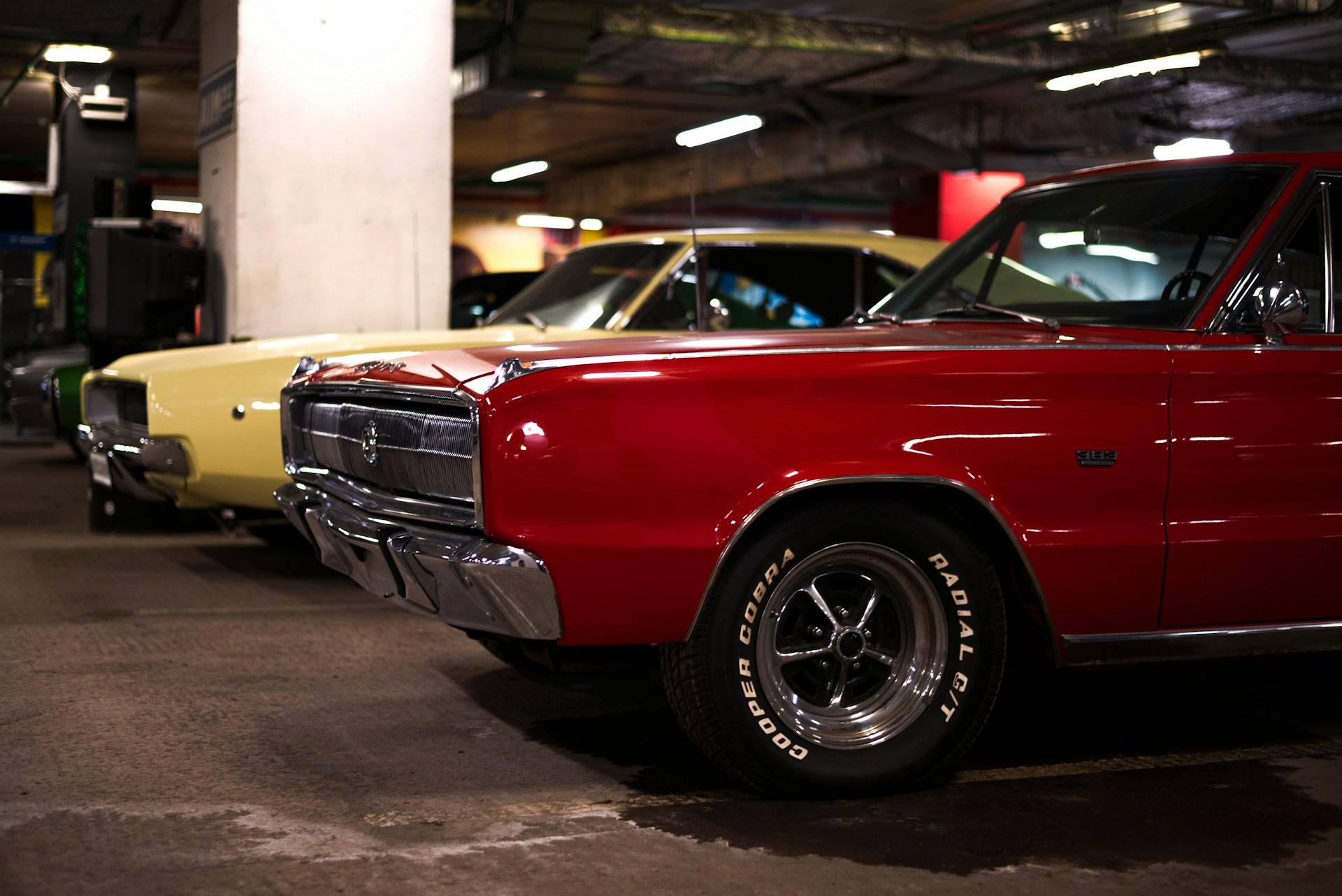
Why Mopar Owners Struggle to Find Quality Sheet Metal
Posted on: March 8, 2026 in Guides
Mopar restoration work usually kicks off with a healthy dose of optimism. But when it comes time to hunt down clean, straight body panels, many owners hit a wall. Sourcing the right parts for a Dodge or Plymouth build sounds simple at first, but body metal is a different animal entirely.
Unlike engine parts or suspension upgrades, the panels that shape a car have to be spot-on. Approximations do not work. Nowhere is that more obvious than with Mopar models, especially the ones made in the late 60s and early 70s. The gaps, the angles, the way the stampings roll across the steel, it’s all specific to each car. This is why Mopar owners tend to spend more time searching out trusted Mopar restoration parts suppliers than owners of other brands.
It is not just about finding something that fits. It is about finding something that fits right.
Why Certain Mopar Models Are Harder to Source Panels For
Some Mopar models are just plain tough to shop for. Not because they were not great cars, but because they did not stick around as long. Fewer years in production means fewer parts put into circulation.
Look at the classic Charger, Cuda, or Dart. These cars often had one-off body lines or unique fender cutouts that were not shared across other models. That limited overlap makes it harder for part makers to justify stamping big batches. Classic Body Parts helps fill some of those gaps by stocking Dynacorn sheet metal for Mopar E-body cars, including left and right 1972 through 1974 Dodge Challenger quarter panels that are listed in stock with estimated ship dates of about two to three business days.
We have noticed other problems, too:
- The curves and bends on Mopar fenders or quarter panels are more complex than what you would see on a basic Chevy truck
- The original factory tooling used during production is long gone, and only certain manufacturers have recreated those tools to produce matching pieces
- Even panels that are technically correct by measurement often miss the tiny details along the edges or between seams
Put all that together, and you get a long list of Mopar builds where body metal just is not easy to replace. If you are after a clean restoration, cutting corners is not an option.
What to Watch for When Shopping for Panels
Not all sheet metal is the same, and a cheap panel will usually let you know it early. Whether it shows up during prep or during install, poor sheet metal can drag a job out longer than expected.
Some of the common warning signs we see include:
- Thickness that varies across the panel, making it tough to get a flush fit
- Fender holes that do not match factory location, which throws off trim or makes lights hard to mount
- Wavy seams or bends that do not match the original body lines
When you’re dealing with older Mopar models, small flaws get magnified. Panels that fit poorly demand extra bodywork. That is hours of unnecessary sanding, hammering, or straightening. Even after all that work, they still may not sit right.
This is why it matters who made the part and where it is coming from. The right Mopar restoration parts suppliers have already done the work to match specs. They have invested in strong materials and have tested the fit before the piece ends up in your garage.
Why Sheet Metal from Well-Known Brands Matters
If a panel looks like the right shape but takes five hours to install, it is not the right part. Any time spent fixing a new part defeats the reason for buying new in the first place.
Names like Dynacorn have built solid reputations by getting two things right: fitment and quality. The best-reproduced Mopar panels are done with laser-matched measurements and attention to spot weld locations, edge thickness, and contours that line up with factory blueprints. Classic Body Parts carries Dynacorn Mopar pieces such as 1970 Dodge Challenger floor panels and grille assemblies that are manufactured to OEM specifications and kept in stock with typical ship times of just a few business days.
Here is how better panels save time and stress:
- The edges align with factory brackets, so no bending or trimming is needed
- Many include rust protection or primers that speed up finishing
- Body lines match so well they need minimal body filler, speeding up prep for paint
Even if higher-end parts cost a few dollars more, they often save hours during the build.
Spring Challenges for Mopar Restorers
March is that time between winter storage and summer driving. For many Mopar owners, it is when the garage starts to thaw out and long-delayed projects show their face.
Spring is also the time when metal shows its wear. Body panels that looked fine before winter may now reveal rust creeping up from seams or behind trim. Any moisture trapped during cold months starts to cause problems as temperatures rise and humidity shifts.
It is a good idea to focus inspection on these areas:
- The bottom ends of the quarter panels, where road salt settles even in dry storage
- Fender wells and seams near tires, especially if the car was moved during winter
- Door shells and hinge mounts, where winter flexing and freezing can cause minor misalignments
Now is not the time to rush into final paint or trim reassembly. Make sure panel fasteners are snug and nothing has shifted. Any misalignment gets harder to fix once the car heats up and materials start expanding again. It is easier to adjust mounts or measurements in early spring before resuming full restoration work.
Getting Closer to a Better-Fitting Build
Mopar owners often work harder for their builds, and that effort starts before the wrenches even come out. Finding a good match for hard-to-find body panels takes time and patience. The results are worth it.
Panels that fit right do not just save labor time. They make trim installation smoother, reduce the need for corrections, and get the car closer to original lines. When a panel sits exactly how it should, the whole build looks more finished, even before the paint goes on.
Spring is the right moment to get panels inspected and fitted. With clean surfaces and tight gaps, summer driving season starts off right.
Tracking down hard-to-find parts and dealing with panels that require hours of rework slows down your build and leads to frustration. At Classic Body Parts, we know how important it is to start with components that fit right the first time. Take the stress out of your next project by exploring our trusted Mopar restoration parts suppliers to see what is in stock. Have a specific build in mind or questions about parts? Reach out and we will help you get set up for success.
Related Articles
How to Evaluate Classic Body Parts for Fit and Quality
With spring weather warming up, car projects return to the driveway. The covers are lifted, checklists made, and for many […]
Steps to Install Replacement Fenders on a Classic Chevelle
Installing new fenders on a classic Chevelle is more than just swapping metal. The way the panels align with the […]

Understanding the Difference Between Dynacorn and OER Panels
When it’s time to replace damaged or worn body panels during a restoration, one of the first decisions you’ll face […]