


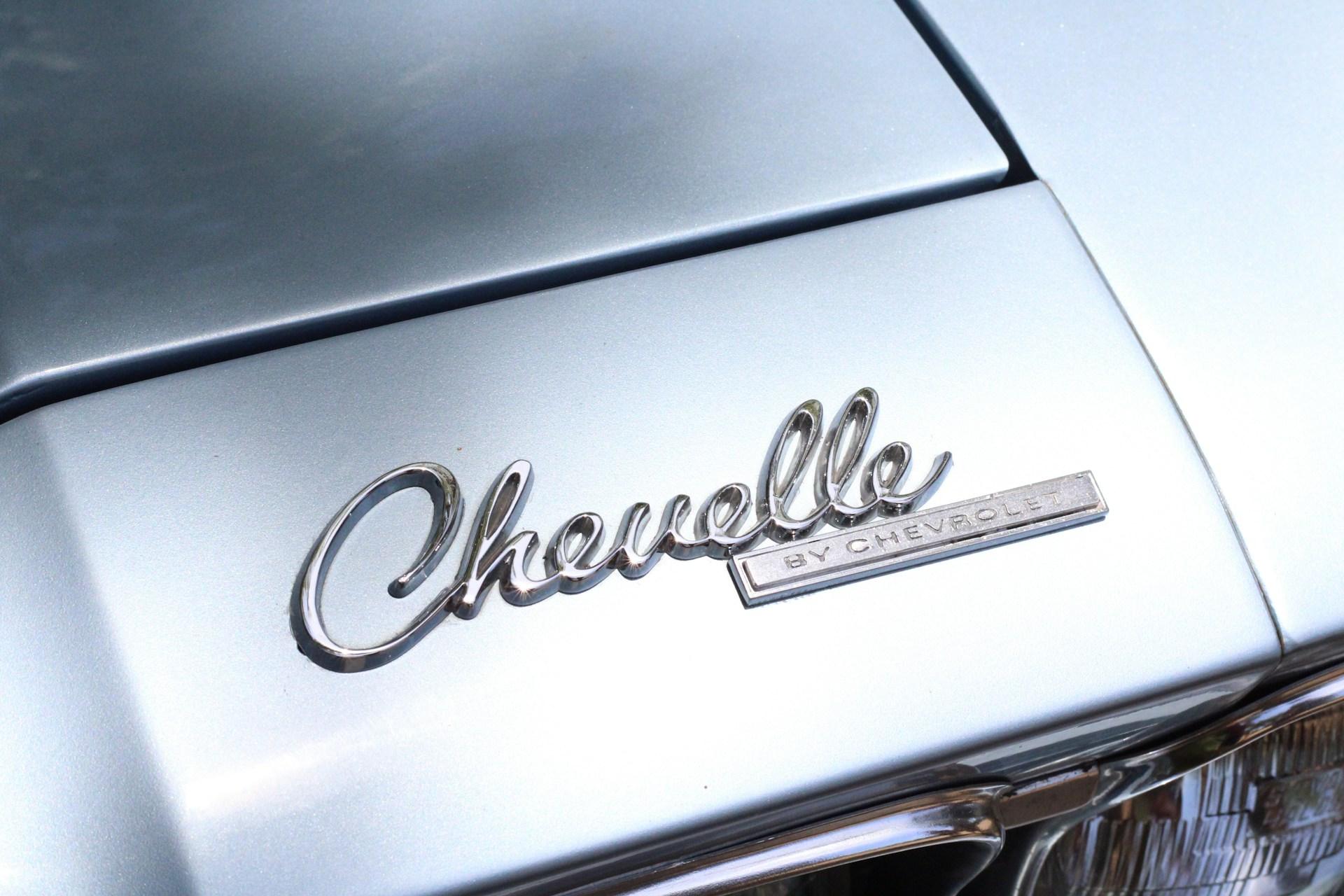
Considerations Before Replacing Chevelle Sheet Metal
Posted on: December 14, 2025 in Tech Tips
Before starting any major restoration project, it helps to check what’s holding everything together. When it comes to rebuilding a classic Chevelle, the big stuff makes the biggest difference. That includes the Chevelle sheet metal. From the quarter panels and fenders to the floor pans and roof skin, solid sheet metal gives your build the shape, fit, and strength it needs from the ground up.
Coming out of fall and heading into winter, it’s easy to miss issues hiding under old paint or weathered trim. But small flaws often show themselves more clearly during colder months when metal contracts and older panels shift. What may have looked like a few surface bubbles in September could turn into deeper rust by late December. Catching those problems early gives you the room to plan your winter work while parts are still easier to get and space is still available in your shop.
What Condition Tells You It’s Time for New Panels
Sheet metal doesn’t go bad overnight. But over time, the seasons take their toll. When metal starts to weaken or rust slips in under the finish, you’ll notice changes in how your Chevelle looks and fits together. Some signs are subtle, while others are hard to ignore.
Watch for these common red flags after your car’s been through cooler, damp months:
• Paint that bubbles or lifts up near the edges of panels
• Rust that keeps coming back, even after light sanding
• Panels that shift or lose shape during mounting
• Uneven gaps between parts that used to fit snug
• Loose or warped trim that no longer mounts cleanly
Sometimes it’s not the outside that tells you something’s wrong. Look along the seams near the wheel wells or check where panels meet at the roof pillars or fender edges. These areas often hide the kind of damage that looks manageable until you try to fit something new. If a panel is too far gone, it starts to affect how the rest of the car holds its structure.
Choosing the Right Metal for Classic Chevelle Builds
Once you’ve decided to replace a panel, getting the right one matters more than just buying what’s available. Not all Chevelle sheet metal is made to the same standard, and that’s where a build can run into problems. Fit, strength, and finish depend on using metal that’s close to what the factory used.
When looking at your options, we focus on a few key things.
• The thickness needs to match what came stock, so the part doesn’t bend or sag under weight
• The panel stamping should line up cleanly with surrounding body lines
• Mounting holes must match factory specs to fit trim, lights, and doors without drilling or stretching
It takes longer to fix a cheap part to make it fit than it does to install the right one from the start. Panels that aren’t cut and curved precisely can twist during installation, or worse, shift enough to pull on neighboring panels. That’s how small mistakes turn into big gaps. Using sheet metal that’s made to factory standards helps your build come together without hours of adjusting or unexpected reshaping. Classic Body Parts carries Dynacorn full quarter panels for 1968 and 1969 Chevrolet Chevelle coupes, giving you model specific replacements that follow original contours and body lines.
What to Inspect Beyond the Panels Themselves
Even if the panel looks worn but workable, what’s behind or around it might say otherwise. When we start a panel replacement, it’s often the things tucked under or near it that reveal more of the story. Looking at the condition of the surrounding parts makes sure what you’re replacing will set the car up for the long haul.
Here are a few areas we check alongside the main panel damage:
• Brackets or connection points that tie panels to the frame or supports
• Weatherstrips or seam sealers that no longer hold moisture out
• Rocker panels and floor supports that might flex under pressure
Rust likes to settle in wherever water sits, usually in the corners or under edges where panels overlap. Replacing one section without checking what connects to it might leave the next part vulnerable. If the rocker or subframe rail is compromised, a new panel may not sit flat. If you find that the floor and supports need more than a patch, Classic Body Parts offers Dynacorn complete floor pan assemblies for 1968 through 1972 Chevelle models, so you can restore the structure with a single, matched piece. Catching these smaller support issues saves time when fitting everything back together.
Seasonal Timing and Shop Planning for Panel Replacement
Mid to late December is actually one of the better times of year to review panel damage and start planning what needs swapping. Temperatures are colder, which slows the spread of rust. But it doesn’t stop hidden corrosion from doing its work. If anything, the moisture that comes with winter sits longer on stored cars that aren’t moving much.
As we hit the early part of winter, we begin looking at a few timing issues that matter for large panel projects:
• Assessing panel damage now keeps you ahead of supply delays during spring restorations
• Colder shop conditions are still manageable if you prep early and organize your layout
• Large parts like hoods and quarter panels often need extra room to store safely before install
Taking winter to prep, plan, and order replacement metal gives you a better shot at getting those panels fitted before spring hits. That way, you’re not fighting deadlines when warm weather returns and you want to move onto the next phase.
The Payoff of Getting the Panels Right
Once you’ve locked in the right sheet metal and checked the supporting structure, fitting new panels gives a boost to the entire car. The body lines tighten back up. Gaps close. Doors sit flush again. From there, paint lays smoother, trim fits better, and the whole car starts to look and feel complete.
When the panels are solid and correctly shaped, everything around them works better. It’s easier to line up bumpers, glass, and edges. Even smaller parts like weatherstrips and moldings come together faster without force. Starting your build with square, reliable metal helps you get through the bodywork stage with fewer hang-ups, and in the long run, you’ll spend less time redoing things later.
Starting your Chevelle’s bodywork project with precision-made panels sets you up for success throughout the restoration process. We offer panels that meet original specifications, ensuring proper fit and lasting quality. Explore our selection of Chevelle sheet metal crafted to factory standards. At Classic Body Parts, we source from trusted manufacturers to help make your full restoration smoother. Reach out to discuss your next steps with us today.
Related Articles
How to Evaluate Classic Body Parts for Fit and Quality
With spring weather warming up, car projects return to the driveway. The covers are lifted, checklists made, and for many […]
Steps to Install Replacement Fenders on a Classic Chevelle
Installing new fenders on a classic Chevelle is more than just swapping metal. The way the panels align with the […]

Understanding the Difference Between Dynacorn and OER Panels
When it’s time to replace damaged or worn body panels during a restoration, one of the first decisions you’ll face […]