


Why Your Classic Car Seats Are Squeaking and How to Fix It
Posted on: July 20, 2025 in Tech Tips
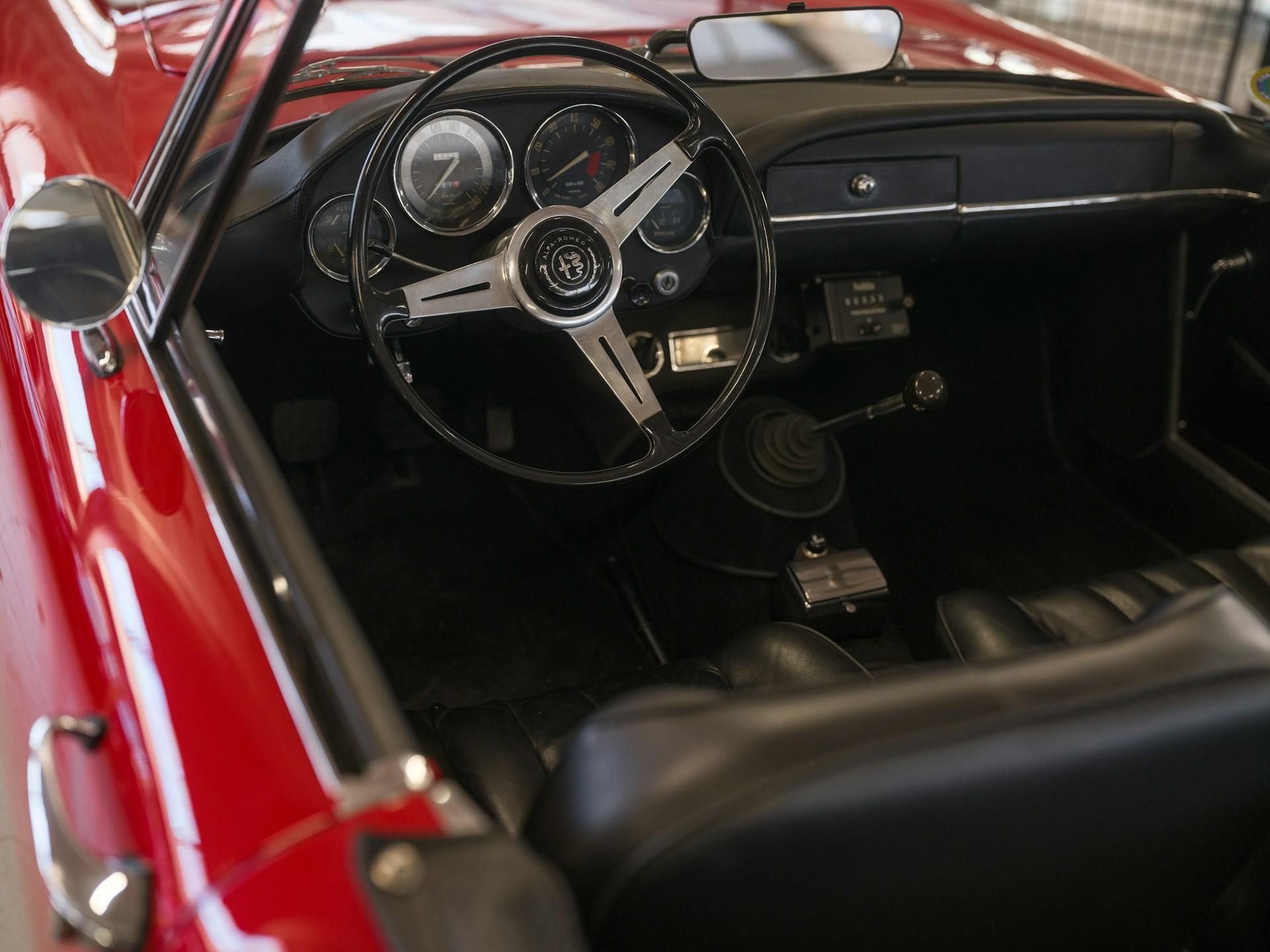
Ever sat in your classic car, only to be greeted by an annoying squeak from the seat? It’s a frustrating issue, but one that many vintage car enthusiasts encounter. Classic cars, with their rich history and timeless design, require regular maintenance to stay in top condition. A squeaking seat can be more than just a mild irritation; it can signal underlying deterioration, affecting both comfort and the vehicle’s overall value.
Addressing these squeaks promptly is essential for preserving your classic car’s charm and heritage. High-quality restoration parts are key to resolving these issues effectively. By prioritizing the maintenance of your car’s body parts, including the seats, you maintain not only the aesthetic allure but also the functionality that makes driving your vintage gem a pleasure.
Common Causes of Squeaking Seats
Squeaking seats often result from a few common issues that can develop over time:
– Worn-Out or Loose Bolts and Screws: Over time, bolts and screws can loosen or wear out, causing seats to move and squeak. Regular checking and tightening are necessary to prevent this.
– Rust and Corrosion: Metal components of car seats, such as tracks and frames, can corrode due to moisture reaching these parts. Rust creates friction, leading to that irritating squeak.
– Deteriorated Seat Springs and Padding: The padding and springs within seats can degrade, causing them to compress unevenly. This not only affects comfort but can generate noise as well.
Squeaking seats in your classic car aren’t just an issue of comfort; they can also indicate more significant problems within your vehicle’s structure. By understanding these common causes, you can better diagnose and address the sources of the noise, restoring your car to its former glory.
Bullet points are a quick way to convey problems and solutions, making them easy to digest for anyone looking to bring their classic car seats back to their silent and smooth operation. Ensuring that these components are in good shape not only helps stop squeaks but contributes significantly to a quieter, more enjoyable driving experience.
Diagnosing the Problem
Figuring out why your classic car seat is squeaking might seem daunting, but with a systematic approach, you’ll likely pinpoint the issue quickly. Start by gently moving each seat component to identify any loose parts or unusual noise sources. Pay close attention to bolts and screws. If you notice any wobbling, that’s a sure sign they need tightening.
Rust can be a sneaky culprit, often lurking where you least expect it. Use a flashlight to inspect the seat tracks and frames closely for rust patches. If rust is visible, note the affected areas, as these will require specific treatment. Additionally, don’t forget to check the springs and padding. Press down on the seat to see if the springs make any noise, indicating they could be worn or poorly aligned.
If you’ve combed through these possibilities and still need help identifying the cause, consider reaching out to a professional. Experts often see what might be missed by a novice, and a timely diagnosis can prevent more extensive damage and repairs down the road.
Fixing Squeaky Seats
Once you’ve diagnosed the cause of the noise, it’s time to fix it. Start with the bolts and screws:
– Tighten Loose Bolts and Screws: Use an appropriate-sized wrench or screwdriver to firmly tighten all fasteners. Be cautious not to over-tighten, which could strip threads or damage components.
– Treat Rust: For rusty parts, clean the affected area with a wire brush. Apply a rust converter to stop further corrosion, then protect the area with a high-quality rust-resistant paint.
– Replace Springs and Padding: If seat springs are worn, consider replacing them with high-quality alternatives. Ensure you choose parts that match the original specifications to maintain the seat’s integrity and function.
Enhanced restoration parts can make a significant difference in tackling these issues effectively. Experts often recommend using top-notch materials that offer durability and longevity to keep those classic car seats quiet and comfortable.
Preventative Maintenance for Classic Car Seats
To keep your classic ride in peak condition, incorporate regular seat maintenance into your routine. Here are a few simple steps:
– Regular Inspections: Periodically check for loose bolts and the onset of rust. Early detection can prevent small problems from evolving into costly repairs.
– Lubrication and Protection: Use a high-quality lubricant on moving parts to minimize friction and noise. Protect metal components from moisture to ward off rust.
– Invest in Quality Parts: Using top-tier restoration parts ensures lasting performance and preserves the seat’s function and appearance for the long haul.
Ensuring Comfort and Longevity
Addressing those squeaky seats as soon as possible keeps your driving experience enjoyable and can stave off more significant troubles. Quality parts play an integral role in maintaining your car’s resale value and historical charm. By prioritizing seat comfort and functionality, you’re investing in more than just a smoother ride, but also in the rich legacy of your classic car. Proper attention to these details helps ensure your vehicle remains the pride and joy it was meant to be, all while retaining the comfort and nostalgia that make classic cars so special.
Smooth and quiet seats are just one piece of the puzzle when it comes to preserving the charm and functionality of your classic car. Ensuring each component is in top condition is the best way to enjoy every ride in comfort and style. For those looking to enhance their vehicle’s longevity and performance, explore how you can restore classic car parts with high-quality restoration products available from Classic Body Parts. From durable body panels to premium springs and padding, we’ve got what it takes to keep your ride as stunning and enjoyable as it was meant to be.
Related Articles
How to Evaluate Classic Body Parts for Fit and Quality
With spring weather warming up, car projects return to the driveway. The covers are lifted, checklists made, and for many […]
Steps to Install Replacement Fenders on a Classic Chevelle
Installing new fenders on a classic Chevelle is more than just swapping metal. The way the panels align with the […]

Understanding the Difference Between Dynacorn and OER Panels
When it’s time to replace damaged or worn body panels during a restoration, one of the first decisions you’ll face […]