


How to Deal with Rust Spots on Your Classic Car’s Fenders
Posted on: November 23, 2025 in Tech Tips
Dealing with rust on your classic car’s fenders can feel overwhelming, but maintaining rust-free components is vital for preserving your vehicle’s beauty and value. Rust spots aren’t just unsightly; they can lead to significant damage if ignored. Preventing rust ensures your classic car remains as pristine as in its heyday.
Rust can appear unexpectedly, even for diligent car enthusiasts. What starts as a minor blemish can escalate, affecting the appearance and structural integrity of the body panels. Understanding how rust spreads on your fenders is the first step in addressing this common issue.
Identifying Rust Spots on Your Classic Car’s Fenders
Rust often hides in areas you might overlook. Classic cars are particularly vulnerable due to age and materials used. Fenders, exposed to debris, water, and elements, show early corrosion signs.
Common rust spots on fenders include:
– Edges and Corners: These trap moisture, making them prone to rust.
– Behind Wheel Wells: Constant exposure to water and debris makes these areas vulnerable.
– Bottom Portions: Lower sections face frequent splash and dirt accumulation.
Spotting rust early can prevent bigger issues. Look for paint bubbling, reddish-brown spots, or chipped areas. Regular maintenance is key. Check your car in bright light and feel for rough spots or lifting paint. Catch problems early to avoid escalation.
Removing Rust Spots from Fenders
When rust appears, act quickly. Gather the right tools and plan your approach. Here’s a guide to safely remove rust from fenders:
1. Prepare the Area: Clean the rusted area thoroughly with a soft brush or cloth to remove debris.
2. Use the Right Tools: Equip yourself with sandpaper, rust remover, and protective gear. Consider high-quality restoration products for the best results.
3. Treat the Rust: Apply rust remover and let it sit as recommended. Sand down rust spots with medium-grit sandpaper to reach clean metal.
4. Smooth the Surface: Use finer sandpaper to smooth the area, ensuring a seamless transition into non-rusted parts.
5. Finish with a Protective Coating: Apply a metal conditioner and sealant for added protection against future rust.
These steps remove rust and set the stage for lasting fender preservation. Stay vigilant to keep your car shining and secure on the road.
Repairing and Repainting Your Fenders
Once rust is gone, focus on repair and repainting for original shine. Restore structural integrity before cosmetic work. Apply body filler to smooth imperfections left by rust removal. Mix as instructed and evenly apply over the treated area, feathering edges for a seamless finish. After drying, sand with medium to finer grits for a polished surface.
Next, paint the fender. Choose paint matching your car’s original color. Use a high-quality primer for a solid base. Spray primer, allow drying, and apply several paint coats with drying intervals. Finish with a clear coat for protection and shine. This step rejuvenates your car’s appearance and adds an extra rust barrier.
Preventing Rust from Returning
Consistent care and prevention keep fenders rust-free. A proactive approach reduces rust reoccurrence. Effective methods include:
– Regular Cleaning: Wash often, removing dirt that retains moisture.
– Protective Coatings: Use rust-inhibiting sprays or wax for a protective shield.
– Garage Storage: Store in a dry, covered area to minimize exposure.
– Routine Inspections: Inspect for early rust signs, especially after heavy rain or snow.
Prevent rust with regular checks and care. These measures preserve your car’s look and value.
Keeping Your Classic Car Fenders Pristine
Addressing rust concerns promptly avoids bigger problems. Regular check-ups and high-quality parts maintain peak condition, protecting against wear and tear. Consistent care ensures your fenders look their best.
There’s joy in seeing your classic car stand out and shine. By effectively treating and preventing rust, you preserve history and ensure your vehicle turns heads wherever it goes. Embrace these steps for years of beauty and performance.
To ensure your classic car remains a stunning piece of automotive history, it’s important to restore classic car parts with quality components. Explore the range of high-end restoration parts available through Classic Body Parts to give your vehicle the care it deserves. Check out our collection today to keep your car looking its best for years to come.
Related Articles

How to Evaluate Classic Body Parts for Fit and Quality
With spring weather warming up, car projects return to the driveway. The covers are lifted, checklists made, and for many […]
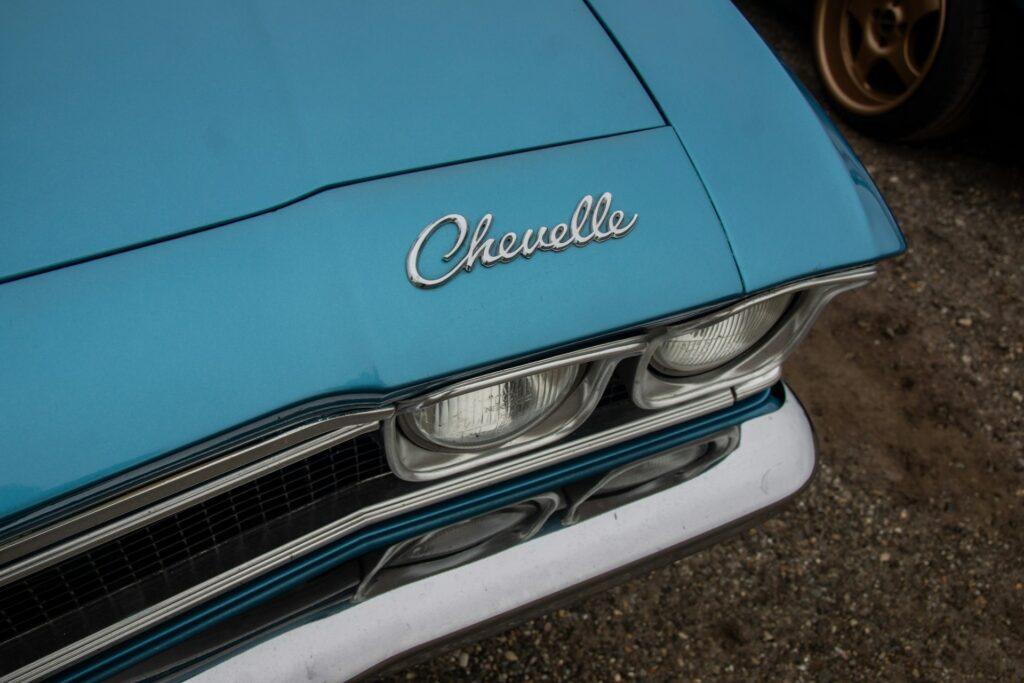
Steps to Install Replacement Fenders on a Classic Chevelle
Installing new fenders on a classic Chevelle is more than just swapping metal. The way the panels align with the […]

Understanding the Difference Between Dynacorn and OER Panels
When it’s time to replace damaged or worn body panels during a restoration, one of the first decisions you’ll face […]