


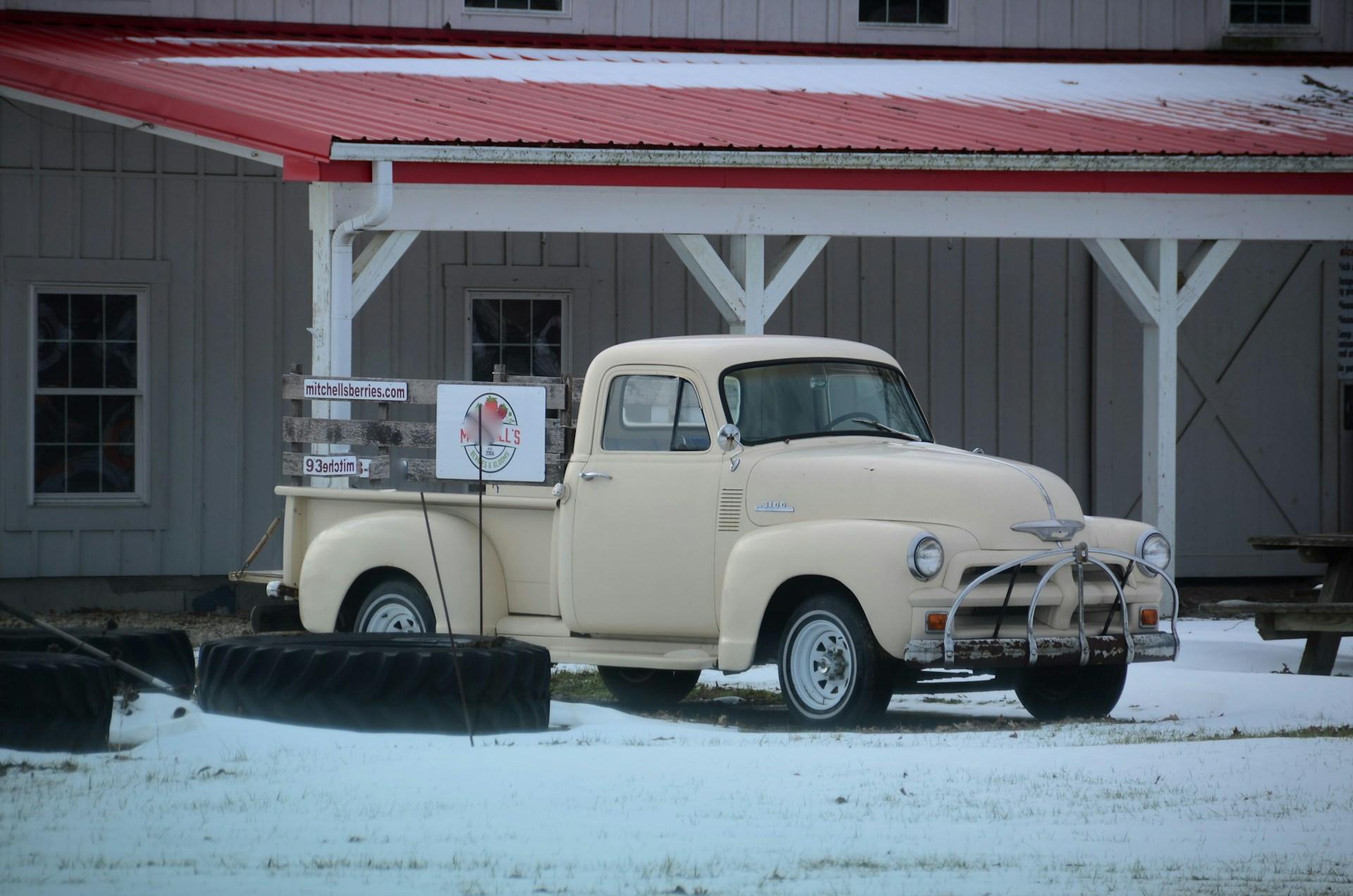
How to Prep a Classic Truck Body for Winter Storage
Posted on: December 28, 2025 in Tech Tips
Classic truck body parts take a beating from the road and the weather all year. When winter rolls in, everything from moisture to temperature swings can start to pull at seals, loosen fittings, and make small issues worse fast. That’s why it makes sense to prep early, before cold sets in too deep. If you plan to store your truck until spring, a little care now can save time and money when the garage opens up again.
Winter storage isn’t just about pulling it into a garage or throwing on a cover. Your truck’s body is made up of many panels and seams that need attention before they’re put under pressure from cold air, trapped moisture, or long periods of sitting. Here’s how we make sure our own rebuilds are ready to sit through winter with no surprises.
Inspect the Body from Top to Bottom
Every prep job should start with a slow walk around the truck. Look close. Problems tend to show up where panels meet or where water has sat. Fenders, hoods, doors, and the outer bed walls are high on our list. These areas flex constantly while driving, which weakens them over time. Before storage, we check three main things:
• Look for surface rust, especially along edges, seams, and where paint is chipped
• Check for dents or cracks that could split more under pressure or long-term exposure
• Pay attention to the underside of beds or cab corners where water can sneak in unseen
Don’t forget to check inside wheel wells and around the back of bumpers. If you spot flaking metal or gaps where two surfaces used to line up tight, make a note. This is the time to plan replacements. Switching out damaged panels now means you’re not working extra hard come spring. That’s especially true if you’ll be ordering classic truck body parts from brands known for fit. Poor panels create bad alignment, and that can wear down everything nearby.
Clean and Remove Debris Before It Freezes
Once our walk-around is done, it’s time to wash off a season’s worth of muck. Dirt hides cracks and holds water against the paint. If it freezes while stuck in seams, even small areas can expand and start damage you won’t see until months later.
The cleaning process should cover more than paint:
• Rinse everything top to bottom, especially around seams, wheel wells, and trim
• Clear out leaves, gravel, and road grime from behind bumpers and under running boards
• Use shop air or vacuums to blow loose grit from hidden spots like hood hinges and bed sides
Don’t rush the drying process. Let the truck air out fully before sheltering it. If it’s going into a structure, open the doors and windows for a few hours with a fan going. Moisture left under seals doesn’t dry out fast in cold weather. If that moisture turns into frost, it can push trim away from the body or start corrosion in panels that were already worn thin.
Seal and Protect the Most Exposed Areas
Some parts of a truck will always be more open than others. We focus on what tends to get the worst of winter: around doors, under the hood, and anywhere body seams run across wide panels. Even if your truck is stored indoors, temperature shifts can pull air through cracks and let condensation collect.
Here are a few simple ways we prep:
• Use rust-blocking sprays on scratches, bolt holes, and mounting points that aren’t fully protected by paint
• Replace weatherstripping where it’s cracked, flattened, or splitting at the edges
• If the truck’s outside, go for covers that breathe but still keep ice from settling on the surface
Don’t forget to cover sharp corners with foam or padding if there’s weight being added for storage. Things shift over time, and you don’t want pressure distorting clean lines like door edges or tailgate corners. Keep weight directly off the most delicate panel sections if possible.
Use Quality Parts to Replace Panels That Won’t Make It
Sometimes we find panels that just won’t hold up through another season. Floor pans that flex, quarter panels with soft spots near the wheel wells, or body mounts that are nearly rusted through should be replaced before the truck sits still for months. Damage spreads faster when nothing’s moving.
Storing freshly-welded or patched panels is better than letting weak ones keep breaking down. But if you’re going to do it, don’t skimp on the parts. Thin metal, uneven shapes, or poorly stamped sections make spring reassembly a hassle. That’s why we always look for a strong match to factory fit. When prepping for storage or planning a full spring rebuild, we’ve found Dynacorn panels to hold their shape best. Classic Body Parts carries Dynacorn truck sheet metal for popular Chevrolet and Ford pickups, including bedside panels, cab corners, inner fender panels, and cab floor and rocker patches, with many of these parts listed as in stock and estimated to ship in about three to five business days.
Here’s what we look for with replacement parts:
• Same or better gauge steel than stock parts, to reduce warping or bowing over time
• Factory-style shapes that don’t need heavy grinding or heating to fit
• Pre-cut holes and seams that meet up with original bolt patterns
Whether it’s a tailgate skin or an outer bedside, think of it like setting up your truck’s body for a good rest. You want every panel to hold shape, meet clean, and stay aligned until the season turns.
A Smoother Spring Starts with Smart Storage
The best winter prep makes spring easier. If the body is sealed tight, the metal is protected, and damaged panels are fixed or at least planned for, then you’re ready to hit the ground running. We’ve seen too many trucks come out of winter worse than they went in just because someone skipped one step.
This prep isn’t about perfection. It’s about keeping the body strong until the truck is back on the road or ready for its next round of work. A little effort now means fewer surprises later. Clean metal, sealed seams, and solid panels make for a smoother start when everything thaws out.
Getting your truck ready for winter or planning your spring projects starts with using parts you can trust. We only offer body panels that hold their shape and line up properly, ensuring your truck looks great and fits right for years to come. Our catalog includes thousands of Dynacorn parts, from individual classic truck sheet metal pieces and moldings to larger body components for full restorations. Whether you’re tackling a full rebuild or taking care of a few repairs, you’ll find the best match for original specs in our selection of classic truck body parts. At Classic Body Parts, we focus on reliable, high-fit solutions to support your build through every season. If you need help finding the right panel or have questions, reach out to us.
Related Articles

How to Evaluate Classic Body Parts for Fit and Quality
With spring weather warming up, car projects return to the driveway. The covers are lifted, checklists made, and for many […]
Steps to Install Replacement Fenders on a Classic Chevelle
Installing new fenders on a classic Chevelle is more than just swapping metal. The way the panels align with the […]

Understanding the Difference Between Dynacorn and OER Panels
When it’s time to replace damaged or worn body panels during a restoration, one of the first decisions you’ll face […]