


How to Start Restoring Your Classic Chevy Truck Bed Panels
Posted on: February 8, 2026 in Tech Tips
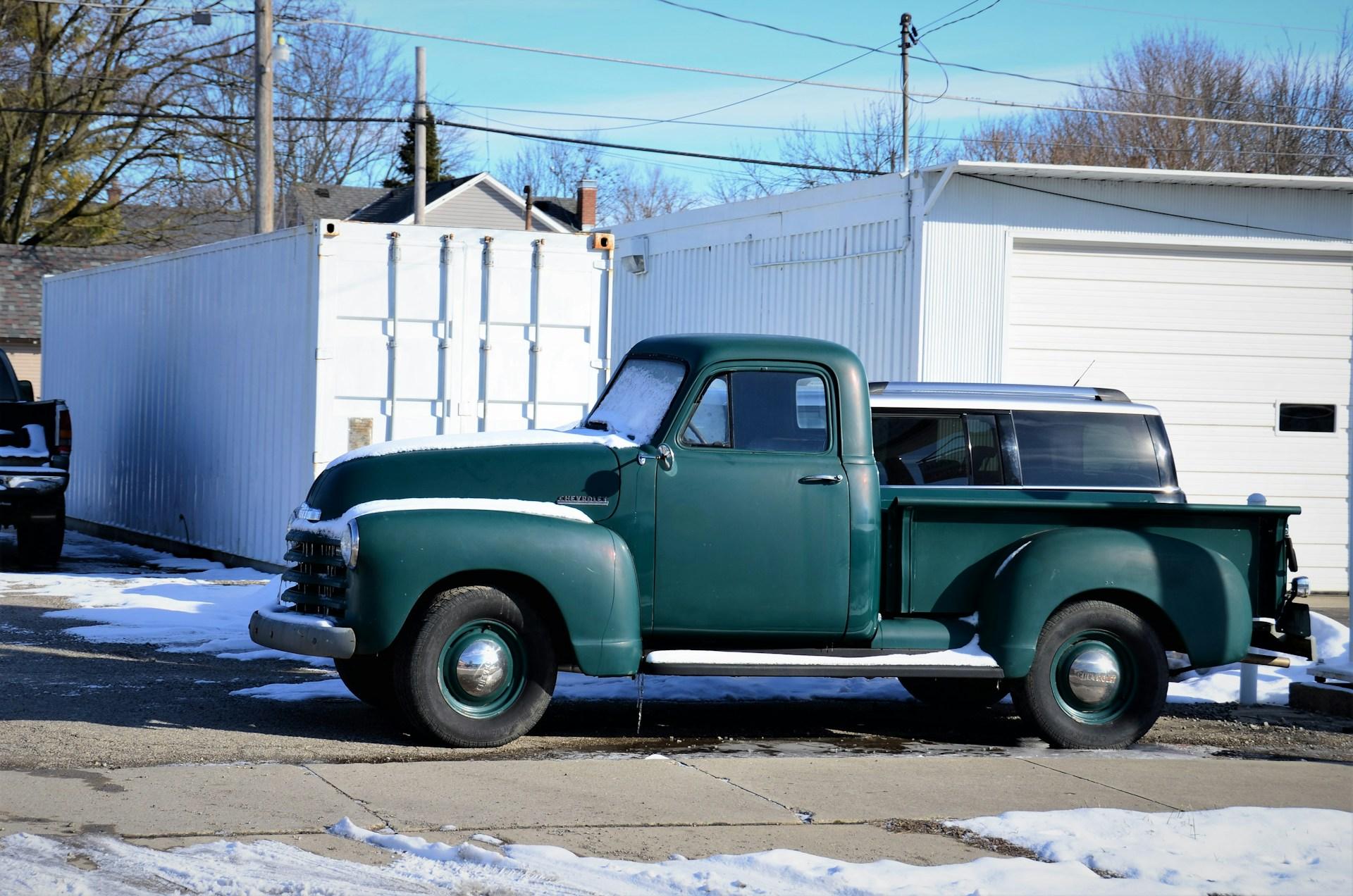
Old Chevy trucks have a way of sticking around. Maybe it’s the squared-off look or the solid ride, but we see builders come back to them again and again. Restoring one the right way takes more than just paint and time. It starts at the roots, and for most trucks, that’s the bed.
Truck beds take years of punishment. Whether it was hauling construction gear, firewood, or furniture, the back half of a Chevy truck tends to show its age first. Bent corners, warped floor panels, and rusted wheel tubs aren’t hard to find. That’s where solid prep and the right classic truck body parts start making a real difference early in the build. Strong panels aren’t just about looks. They help shape the rest of the restoration before a single weld gets laid down.
Check the Bed Frame for Deep Rust or Body Damage
Before buying any parts, it’s smart to look beneath the surface. Corrosion and twist can hide under the floor or along the bed rails. We’ve seen plenty of situations where the outside looks okay, yet the inner seams or crossmembers are barely holding on.
Start by checking these areas carefully:
• The seams where the bed floor meets the side panels
• Mounting points near the wheel tubs and rear cross rails
• Spot welds or braces under the floor that take the most wear
These places often collect moisture and road grit, then slowly rot from the inside. If alignment points like corners or mounting holes have shifted or thinned out, the new panels may not line up without force. And once you start forcing parts into place, the whole structure can twist out of square. That’s why it helps to get ahead of these problems now, before cutting or fitting anything new.
Pick the Right Sheet Metal Parts Before You Start Cutting
Choosing your replacements depends on how the truck was built in the first place. Chevy pickups came in different bed lengths, cab styles, and trim levels. Some had step sides, others came with a straight wall. Mixing parts from different body styles or production years usually leads to gaps and frustration.
It helps to look at how much of the bed needs repair. Some trucks only need a single bedside or a rear corner. Others might need everything from the floor to the tailgate shell. This is where it matters to source the right classic truck body parts before jumping in.
Here’s what to stay clear on when choosing panels:
• The cab style and wheelbase (short bed vs. long bed)
• The year-specific body lines and tail light pockets
• Whether you’re replacing a full side or patching a section
We’ve seen that when builders start with accurate parts from trusted sources like Dynacorn, everything fits a little cleaner. The panels seat well, the weld flanges line up, and there’s less guesswork when trimming or checking square. For many 1967 through 1972 Chevrolet trucks, we stock Dynacorn bed floor panel assemblies and front Fleetside bed panels that are listed in stock and estimated to ship in about three to five business days.
Getting Ready for Panel Removal
Once you’re confident in your plan, prepping the body is the next step. Rushing this part usually ends in wasted time and redrilled panels. It’s better to slow down and mark everything clearly.
We usually do a few things before starting the cutout work:
• Trace all original seams with a paint marker or tape
• Label and set aside bolts, brackets, or body shims
• Remove bumper hardware, bed rail trim, and rear lighting if it’s still in place
If the rear half of the bed will be lifted away or if you’re cutting through multiple panels, always brace the remaining structure. Beds can fold or sag once support sections get removed, especially on older frames. Reinforcing with square tubing or wood bracing keeps the rest of the body shape under control while you work.
Fit and Mockup Before Committing to Welds
Dry fitting always saves time. Even when you’ve bought high-quality parts, nothing should be welded in without sitting it in place and checking how it flows with the rest of the body. It’s the best way to catch any minor clearance problems before they become big ones.
When we set up a new bed panel or cross rail, we’ll use:
• Clamps or clecos to hold the edge flanges
• Wooden blocks or jack stands to keep uniform height
• A tape measure and square to recheck door-to-rail dimensions
Once everything lines up with the cab and frame again, it gets easier to see where final trimming or edge work needs to happen. You’ll also want to test panel gaps between the sidewalls and tailgate ends. A misaligned corner now will throw off more than just body lines later.
Rebuilding with Strength and Flow
After the mockup fits well and you’ve checked squareness across both rails, welding starts to bring the whole piece together. But heat can shift a panel fast. That’s why slow, even tack welds tend to give better results.
We suggest welding in short sections, keeping opposite corners cool while you go. Most full floor or panel jobs benefit from stitch welding in small steps. This helps avoid that common heat pull that leaves warps near the center.
For long-term strength, don’t skip over inner supports. Replacing rear braces, cross bed rails, or front bed head panels gives the whole structure its original strength again. It’s these thick inside pieces that carry the truck’s weight, and when they’re solid, the outer sheet metal performs much better through use and time.
Strong Starts Lead to Cleaner Builds
Starting fresh with the right parts and early planning always makes the finish go smoother. Restoring an old Chevy truck bed can feel overwhelming when you’re dealing with twisted metal, missing parts, or poor welding from past fixes. But if the frame is solid and the panels match how the truck was built, then the hard part is already halfway handled.
When builders take the time to check alignment early and choose well-fitting classic truck body parts, it saves hours of correction later. Gaps fit tighter. Paint lays cleaner. Hardware bolts through without shims and hammer taps. All those small choices at the beginning start to pay off as the truck comes together panel by panel.
At Classic Body Parts, we stock high-quality replacements designed to match the fit and shape of original Chevy bed panels. Whether your project is a minor patch or a full bed rebuild, having reliable parts makes every step easier. Our inventory covers hard-to-find panels, floor sections, and reinforcements built to factory dimensions. Ready to upgrade your build? Explore our complete range of classic truck body parts, and give us a call if you need help finding the right fit to get started.
Related Articles
How to Evaluate Classic Body Parts for Fit and Quality
With spring weather warming up, car projects return to the driveway. The covers are lifted, checklists made, and for many […]
Steps to Install Replacement Fenders on a Classic Chevelle
Installing new fenders on a classic Chevelle is more than just swapping metal. The way the panels align with the […]

Understanding the Difference Between Dynacorn and OER Panels
When it’s time to replace damaged or worn body panels during a restoration, one of the first decisions you’ll face […]