


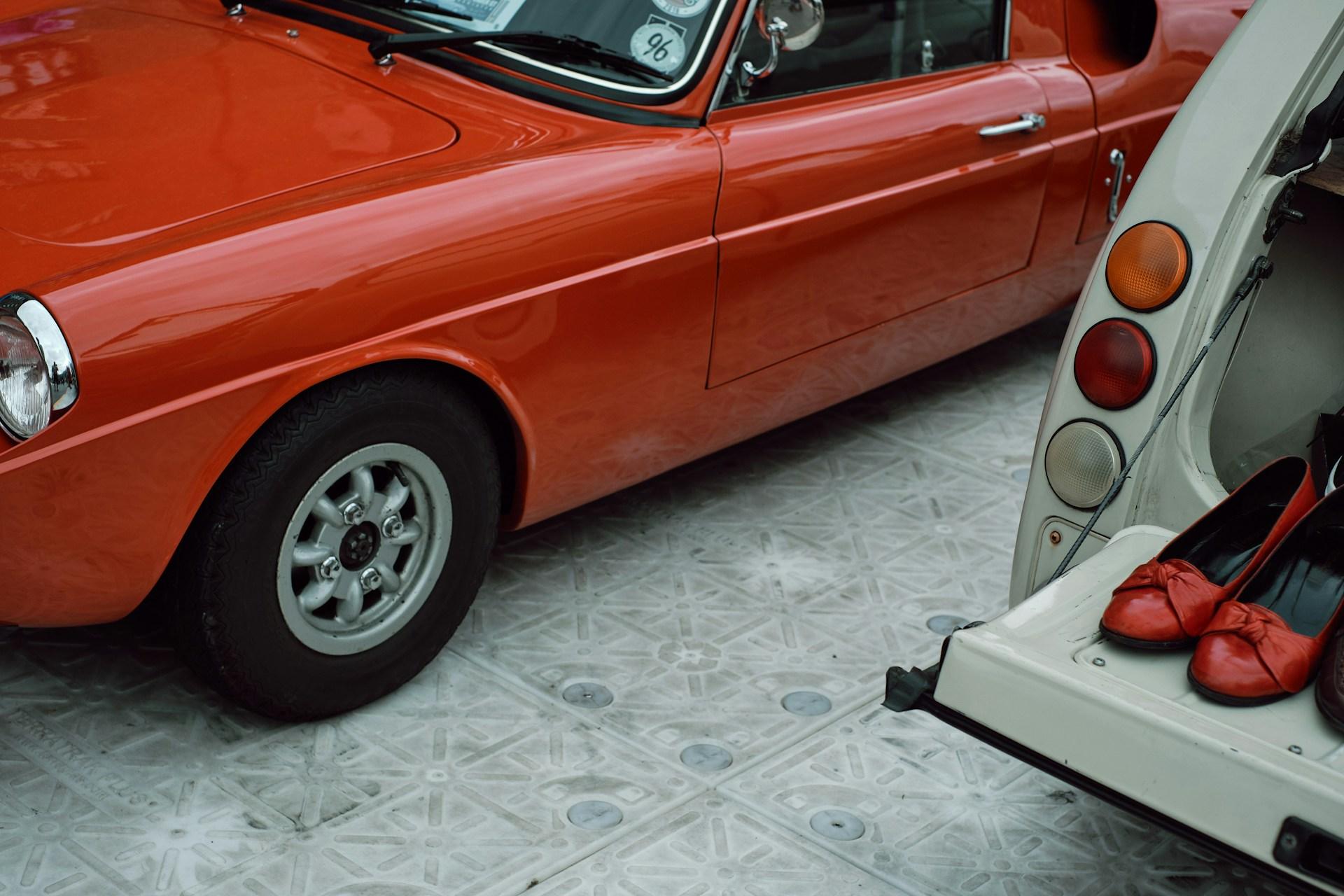
Troubleshooting Common Issues with Classic Car Floors
Posted on: October 12, 2025 in Tech Tips
Keeping the floors of classic cars in top shape is essential for preserving their value and functionality. Vintage car floors face numerous challenges over time, such as rust, corrosion, and structural damage. These issues not only affect the appearance of your vehicle, but they can also lead to more serious problems if left unchecked. Understanding the common issues that classic car floors encounter allows owners to take proactive steps in preserving their vehicles.
Classic car enthusiasts know all too well the consequences of neglecting floor maintenance. Rust, cracks, and water damage can quickly turn a beloved classic into a costly restoration project. By regularly inspecting and addressing these problems, car lovers can ensure their vehicles remain roadworthy and maintain their nostalgic charm. By examining potential issues and employing effective strategies, you can keep your classic car cruising for many years to come.
Identifying Common Issues with Classic Car Floors
Maintaining the health of your car’s floor begins with recognizing the signs of trouble. Several common problems tend to affect classic car floors, and catching these early can mean the difference between simple fixes and extensive repairs.
– Rust and Corrosion: One of the most prevalent issues with vintage cars is rust. Watch for discoloration, flaking, or bubbling under the paint, as these are common indicators of corrosion. It often starts in areas with poor drainage or where water tends to pool. Addressing rust quickly is crucial to prevent it from spreading and causing significant damage.
– Structural Damage: Cracks and holes are another major concern. Whether from road debris or the car’s weight over time, these can compromise the vehicle’s integrity. Listen for unusual noises or note any changes in the vehicle’s feel while driving, which could indicate structural issues.
– Water Damage: Moisture can seep into the car through worn seals or poorly fitted components, leading to mold and weakening the floor’s material. Pay attention to musty odors or visible mold growth, which can indicate water intrusion.
Regular checks help in spotting these problems, allowing for timely interventions. This way, your classic car won’t suffer from issues that, if ignored, might become daunting to repair or, worse, irreparable. By staying vigilant, you keep your classic ride in prime condition, making each drive as enjoyable as the last.
Tools and Parts Needed for Troubleshooting
Getting your classic car back in shape involves using the right tools and parts. Proper equipment simplifies the process and ensures the job is done effectively. Here’s a handy checklist to help you get started.
– Essential Tools: Gathering the basics is key before diving into any repair work. This includes screwdrivers, wrenches, hammers, and pliers. A drill can also be handy for making precise repairs or installing new panels.
– High-Quality Restoration Parts: When selecting replacement parts, choosing high-quality items is crucial. Trusted brands like Dynacorn offer premium restoration components. These parts are designed to fit perfectly and match the original design of your vehicle, maintaining its classic look and feel. Known for their durability and precision, these parts ensure your restoration work withstands the test of time.
– Cleaning Supplies: Don’t overlook the importance of cleaning supplies when working on your car’s floors. You’ll need a good rust remover, degreaser, and brushes to tackle any stubborn spots, leaving surfaces ready for restoration.
Having these tools and parts on hand streamlines the repair process, so you’re ready to tackle any issue that comes your way. This preparation also helps you save time and prevent frustration during repairs.
Step-by-Step Troubleshooting Guide
Armed with the right tools, it’s time to work on getting your car floors in top shape. The following steps guide you through evaluating and addressing common issues.
1. Assessing the Damage: Start by inspecting your car’s floors for trouble spots. Use a flashlight to look for any discolorations or moisture buildup. Listen carefully for any unusual sounds while driving, which might indicate floor issues.
2. Cleaning and Preparing the Floor: Before repairing, ensure the area is clean. Use a suitable cleaner to remove dirt, grime, and rust. This will allow new parts or coatings to adhere properly, giving a smooth and long-lasting finish.
3. Repair Techniques: Once the floor is clean and ready, it’s time to make repairs. For small holes or rust spots, using a patch or filler can provide a quick fix. For more significant corrosion or structural damage, replacing sections with new panels, specifically ones from reliable sources like Dynacorn, is recommended.
Following this guide ensures your classic car floors are restored to great condition. Taking the time to methodically troubleshoot and repair helps keep your restoration project on track, making sure everything performs well.
Preventive Measures to Avoid Future Problems
Preventive steps go a long way in ensuring your classic car’s floors remain in good condition. Let’s explore some practices that can help avoid future issues.
Regular maintenance routines include simple habits like checking for moisture buildup and removing debris. These small tasks can prevent significant problems down the line. Additionally, consider investing in proper car storage solutions to shield your vehicle from elements that can cause damage.
Making use of protective coatings offers added peace of mind. Applying coatings designed for automotive use keeps floors safe from elements that can lead to rust or corrosion. This protective layer is a straightforward measure to take, and it pays off by prolonging the life of your car’s floors.
Ready for the Road
By staying attentive to your classic car’s floor health, you can focus on enjoying the drive instead of potential problems. Regular attention to the floors not only preserves your car’s value, but also enhances your driving experience. Knowing your vehicle is in optimal condition gives you the freedom to hit the road with confidence, relishing every mile in your finely restored classic. Preserving that classic charm makes every journey a pleasure, leaving you to enjoy the timeless allure of cruising in a car that’s as beautiful as it is reliable.
To keep your classic ride looking and performing its best, explore high-quality vintage car restoration parts that are built to match your vehicle’s original fit and finish. At Classic Body Parts, we carry premium body panels, hoods, fenders, and other top-tier components from trusted brands like Dynacorn to help you get the job done right the first time.
Related Articles
How to Evaluate Classic Body Parts for Fit and Quality
With spring weather warming up, car projects return to the driveway. The covers are lifted, checklists made, and for many […]
Steps to Install Replacement Fenders on a Classic Chevelle
Installing new fenders on a classic Chevelle is more than just swapping metal. The way the panels align with the […]

Understanding the Difference Between Dynacorn and OER Panels
When it’s time to replace damaged or worn body panels during a restoration, one of the first decisions you’ll face […]